KOS

Boxing vs Muay Thai: Which Is Better for Fitness?

If you’re deciding between boxing or Muay Thai for fitness, you’re not alone. Both sports have become popular ways to improve fitness, lose weight, and build confidence. Plus, they combine cardio, strength training, and skill practice in one workout. But, which one should you choose?

Looking for boxing classes in Singapore? Visit kosboxingym.sg or check out our schedule to find out more! 


Boxing vs Muay Thai: What’s the Difference?

Before comparing the fitness benefits, let’s understand how each sport works:


Boxing

Boxing centres on punches, footwork, defence, and head movement. A typical session may include skipping, shadow boxing, heavy bag work, pad work, partner drills, and conditioning exercises that build stamina and power. 

Because boxing uses fewer striking techniques, many beginners find it easier to learn the basics and start putting combinations together sooner.


Muay Thai

Muay Thai is known as the “Art of Eight Limbs” because it uses punches, kicks, knees, elbows, and clinching. Training often includes pad work, bag work, sparring, and drills that combine several striking techniques in one round. 

With more movements to learn, beginners usually spend more time building coordination and technique.


Workout Style and Learning Curve

Both sports deliver demanding workouts, but they do so in different ways. Boxing puts more focus on movement, speed, and upper-body combinations, while Muay Thai spreads the workload across punches, kicks, knees, and clinch work. 

If you want to start training with confidence, boxing often feels more approachable. Muay Thai takes more time to learn, but it rewards patience as you build a wider range of skills.

 

boxer punching punching bag with right hand
(source: Envato)


Fitness Benefits


Calories Burned & Cardio

Both boxing and Muay Thai can help you burn a high number of calories because each one keeps you moving for the full session. 

You spend time striking, recovering, moving your feet, and working through drills that push your heart rate up. That makes both sports a strong choice if your goal is better cardio fitness.

Boxing tends to keep the pace high through footwork, punch combinations, head movement, and pad or bag rounds. You are often on the move, which helps build stamina and teaches you how to stay active under pressure. 

Muay Thai also demands a lot from your cardiovascular system, but in a different way. The mix of punches, kicks, knees, and clinch work uses more movement patterns, so your body has to work across more areas at once.

How many calories you burn depends on the pace of the class, how hard you train, and how long you stay active between rounds. A fast boxing session can be just as demanding as a Muay Thai class. The main difference is the style of effort, not the value of the workout.


Strength & Muscle Development

Neither sport is the same as lifting weights, but both build functional strength that helps you move better. You are not just working one muscle at a time. You are using your whole body to punch, brace, rotate, and stay balanced.

Boxing works the shoulders, arms, chest, back, and core, but it also trains the legs through stance work and footwork. Every punch starts from the ground, so your lower body plays a part in power and control. 

Over time, this can help you build strength that supports everyday movement and other forms of training.

Muay Thai uses many of the same muscle groups, but it places more demand on the hips, glutes, and legs because of the kicking and knee strikes. The clinch also asks a lot from your core, grip, and upper body. 

If you want a workout that spreads the load across more striking tools, Muay Thai gives you that.

If your aim is balanced muscle development, either sport can help. For the best results, many people pair their training with basic strength work outside the gym.


Weight Loss & Fat Burning

If you want to lose weight, both boxing and Muay Thai can support that goal. They help you burn calories, stay active, and build a routine that keeps you moving week after week. That matters because fat loss comes from consistency, not from one hard session.

Boxing can be a strong option for weight loss because it combines cardio, speed, and repeated movement. You are often working in short bursts, which can make the session feel intense without needing long periods of rest. 

Muay Thai offers the same benefit, with the added challenge of using more striking tools and body positions.

However, training alone is not enough if your diet is not in check. A balanced eating plan helps create the calorie deficit needed to lose body fat. The sport you choose should fit your lifestyle, because the workout you can repeat is the one that will help you reach your goal.


Coordination, Balance & Agility

Boxing is one of the best ways to improve hand-eye coordination, timing, reaction speed, and footwork. You learn to move, defend, and strike at the same time, which demands focus. As your skills improve, your movement becomes more controlled, and you start to react with less hesitation.

Muay Thai builds coordination in a different way. You have to manage punches, kicks, knees, and clinch work, often in the same round. That means your upper and lower body must work together. Balance becomes a big part of the sport, especially when you are kicking or switching stance under pressure.

Both sports can improve agility, which is your ability to change direction and stay stable while moving. That helps in training, but it also carries over into daily life. You may notice better body control, quicker reactions, and more confidence in how you move.


Mental Health & Stress Relief

Other than improving physical fitness, training also gives your mind a break from the rest of the day. Both boxing and Muay Thai give you a clear outlet for stress. When you hit pads or work a bag, you release tension in a controlled setting. 

At the same time, you have to focus on the task in front of you, which can help shift your mind away from work, screens, and daily pressure.

That focus also helps when you are learning new skills. Each session gives you something to improve, whether that is your stance, your timing, or your breathing. Small gains like that matter. They build confidence and give you a reason to keep showing up.

Over time, both sports can support discipline and resilience. You learn to stay calm, keep going when you are tired, and trust the process. Those habits can carry into other parts of life as well.
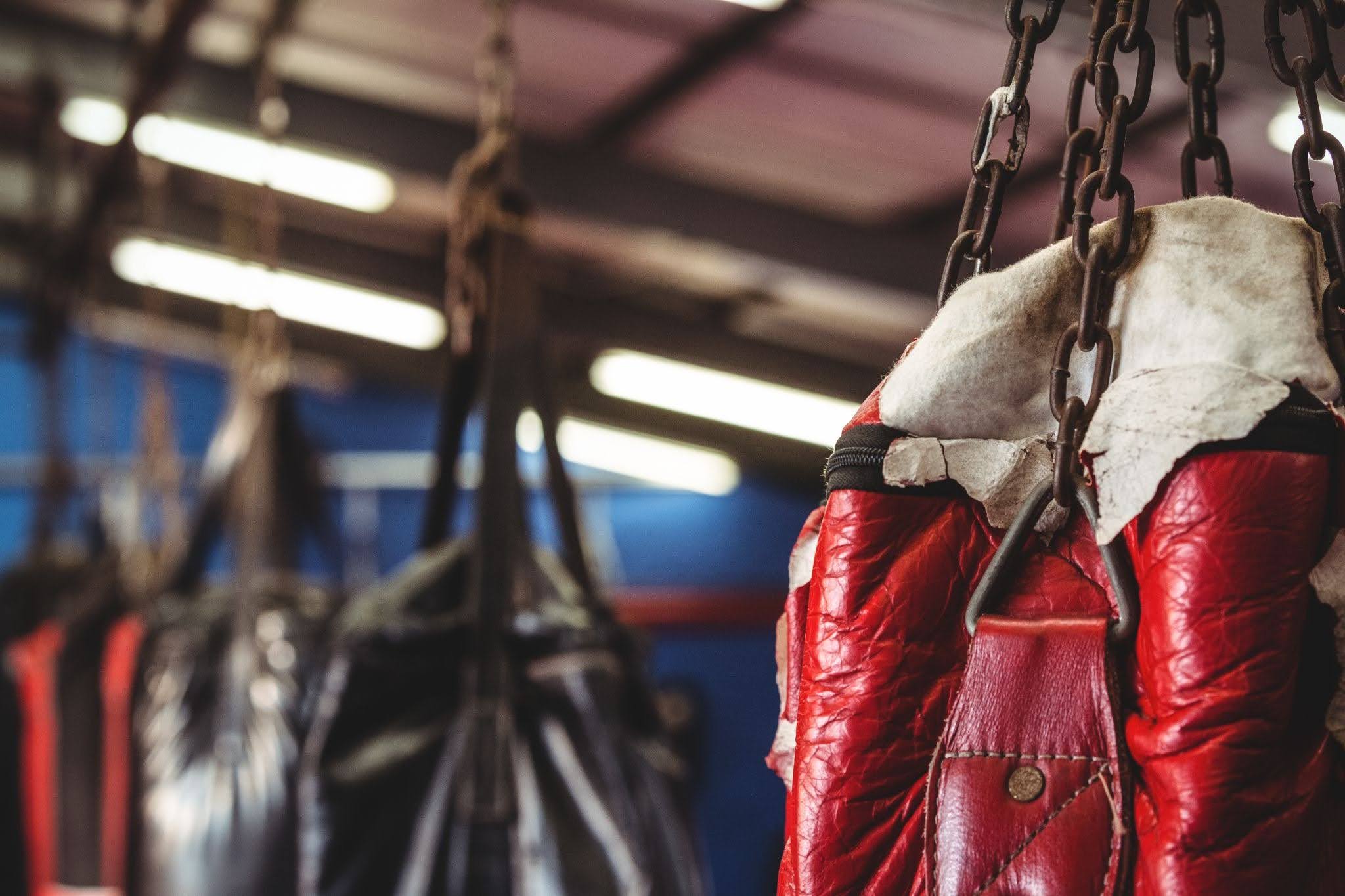
 

red leather punching bag hanging by metal chains in a boxing gym
(source: Envato)

Which Is Better for Different Fitness Goals?

There isn’t one winner for everyone. The better choice depends on what you want to achieve, how much experience you have, and the kind of training you want to keep doing.


If You’re New to Fitness

Boxing is often the easier place to start. The basics are simple to pick up, so you can focus on learning good form and building confidence before moving on to more advanced skills.


If Your Goal Is Weight Loss

Both sports burn calories and improve cardiovascular fitness. The best choice is the one you will keep showing up for each week, because consistency matters more than the style itself.


If You Want Better Endurance

Both boxing and Muay Thai can improve stamina. Boxing keeps you moving with footwork and combinations, while Muay Thai adds kicks, knees, and clinch work, which changes the pace and keeps your body working in different ways.


If You Want Self-Defence Skills

Both sports teach practical striking skills. Muay Thai gives you more techniques to learn, including kicks, knees, elbows, and clinch work, while boxing helps you build timing, distance control, and fast reactions.


If You Want Better Athletic Performance

Both sports can support athletic performance by improving coordination, balance, speed, and reaction time. That is why athletes from many sports use boxing or Muay Thai as part of their training.


If You Want a Workout You’ll Stick With

What matters most is finding a class you enjoy. Try a session, meet the coaches, and see which training style feels right for you. When you enjoy the workout, it becomes easier to keep showing up, and that is what leads to results.

 

red and white boxing gloves in the corner of boxing ring
(Source: Envato)

Why Boxing Is a Great Choice for Most Beginners

If you’re starting your fitness journey, boxing offers a practical entry point. The basics are easy to pick up because you begin with punches, movement, and defence before moving on to more complex combinations, which helps many beginners build confidence from the first few sessions.

It also gives you a full-body workout. Each class improves cardiovascular fitness while working your core, legs, shoulders, and arms, and you build coordination, balance, and endurance without needing prior experience.

As your technique improves, so does your confidence, and that progress helps keep you motivated. Training also builds discipline, while experienced coaches give clear instruction and a supportive gym environment helps you stay committed to your goals.

Whether you want to lose weight, improve fitness, or learn a new skill, boxing gives you a path that suits people of different ages and fitness levels.


Choose the Workout That Feels Right for You

When it comes to boxing vs Muay Thai for fitness, both can help you get fitter, stronger, and more confident. They both support weight loss, improve cardio, and give you a workout that keeps you moving.

The best choice is the one that fits your goals and feels enjoyable enough to keep doing.

If you want a sport with clear basics, full-body training, and room to build your skills step by step, boxing is a great place to start.

The easiest way to know what suits you is to try a class. Step into the gym, meet the coaches, and see how boxing feels for you. A beginner-friendly class can be the first step towards better fitness that lasts.

Looking for boxing classes in Singapore? Visit kosboxingym.sg or check out our schedule to find out more! 
A Boxer’s Guide to Recovery: Balancing Strength and Rest

The Holistic Approach to Recovery: Mental Resilience

Building mental resilience is crucial in boxing, where the mental game is as significant as the physical. Implementing strategies like meditation and positive self-talk are essential, but goal setting before training is a game-changer. Setting realistic, incremental goals like “Today, I will complete 50 pushups,” provides a clear target and enhances motivation. These techniques ensure you’re mentally prepared for the challenges ahead, fostering a resilient mindset that thrives under pressure.


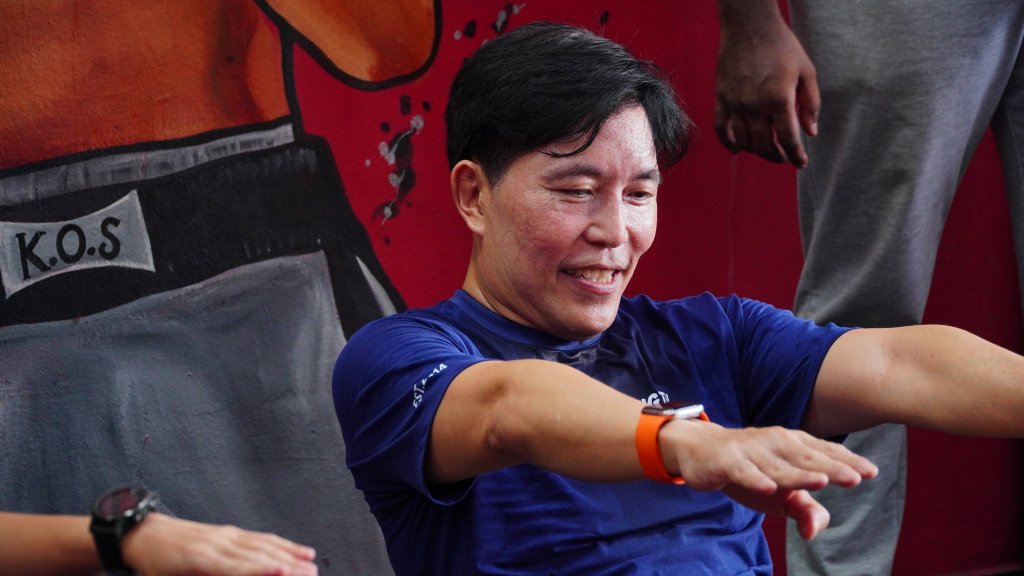
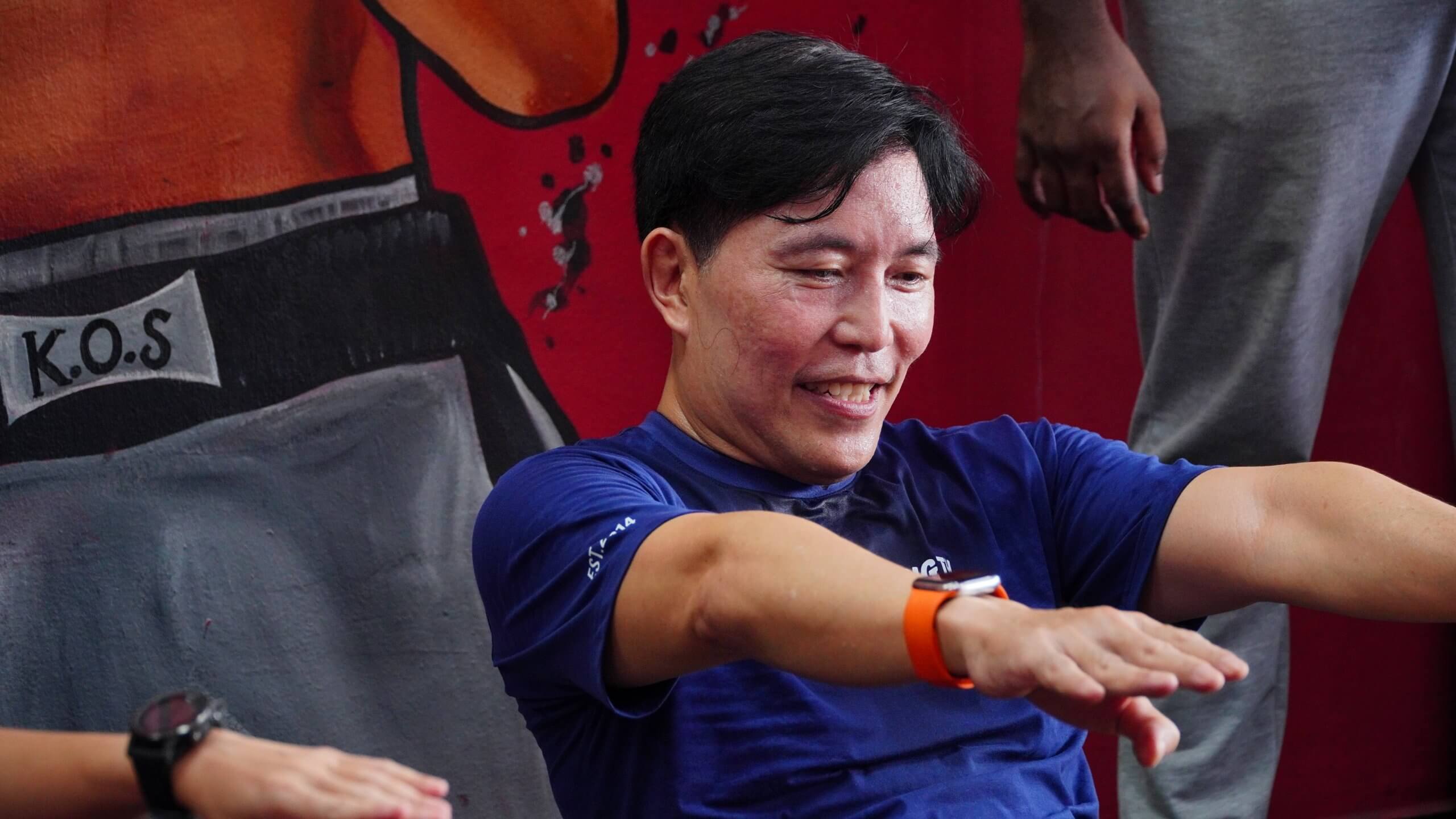
man smiling while performing sit ups at king of strength boxing gym.

Proper Nutrition To Fuel Your Recovery

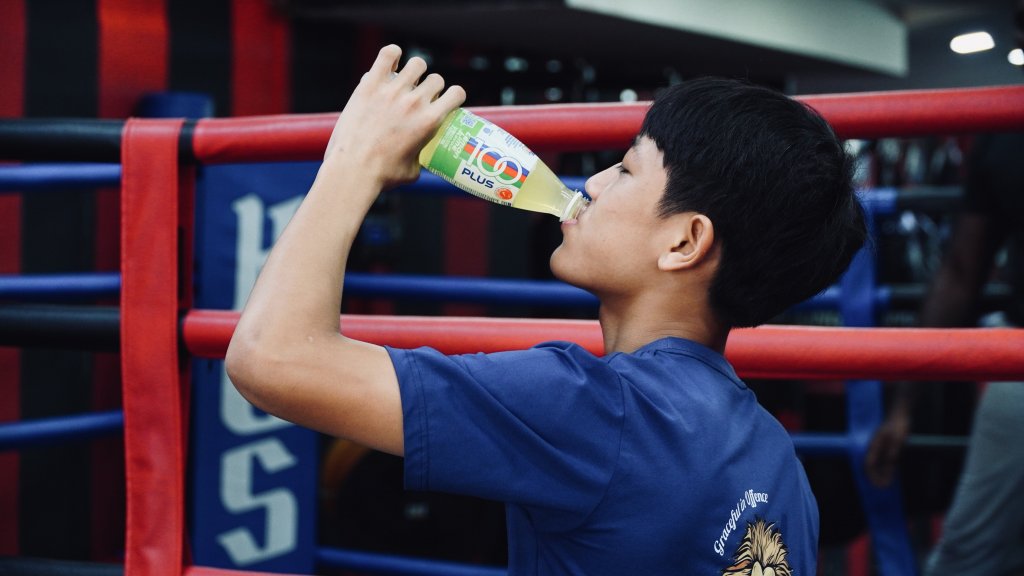
“Proper nutrition is non-negotiable for peak performance,” said Coach Kumar, emphasizing the importance of a well-timed, balanced diet to fuel your body and aid in recovery. Before workouts, ensure you’re energized with a nutritious meal at least 2.5 hours prior. Post-workout, your body’s needs vary; intense sessions demand isotonic drinks to replenish electrolytes, whereas weight training benefits from high-protein meals or shakes for muscle repair. This tailored approach to nutrition and hydration keeps you at your fighting best. Remember, post-workout nutrition, including the right exercise recovery drink, is key to muscle repair.


Young boxer drinking an isotonic drink to stay hydrated during training at King of Strength boxing gym.

The Power of Quality Sleep

Quality sleep is foundational for recovery. It’s the period when your body repairs muscles and your mind processes the day’s learning. Stick to a consistent sleep schedule, aiming for a set bedtime within a one-hour window nightly. Ensure your last meal is at least 3 hours before bed to allow proper digestion and avoid screens an hour before sleep to prevent stimulating your mind. Following these practices ensures you wake up refreshed and ready for the next round. Understanding why sleep is important and how it impacts exercise recovery can significantly improve performance.


Injury Prevention and Management: Staying in the Game

Injury prevention is integral to sustained progress in boxing. Planning your workouts with a focus on conditioning and listening to your body can significantly reduce the risk of injury. Key strategies include:

  • Workout Planning: Design your training sessions to accommodate vulnerable areas, ensuring muscles aren’t overworked. Incorporating rest days and varied intensity levels helps prevent burnout and injury. Understanding common boxing injuries, such as those to the hand, shoulder, and head, can guide you in avoiding them.
  • Proper Nutrition: Fuel your recovery with a diet rich in proteins and nutrients, essential for muscle repair and resilience. Pre and post-workout nutrition is critical in preventing injuries and aiding in faster recovery.
  • Professional Guidance: Especially for beginners, coaching on form and technique is invaluable. A seasoned eye can prevent common mistakes that lead to injury.

Should injuries occur, a balanced approach to recovery—combining rest, gradual rehabilitation, and professional advice—ensures a stronger comeback.

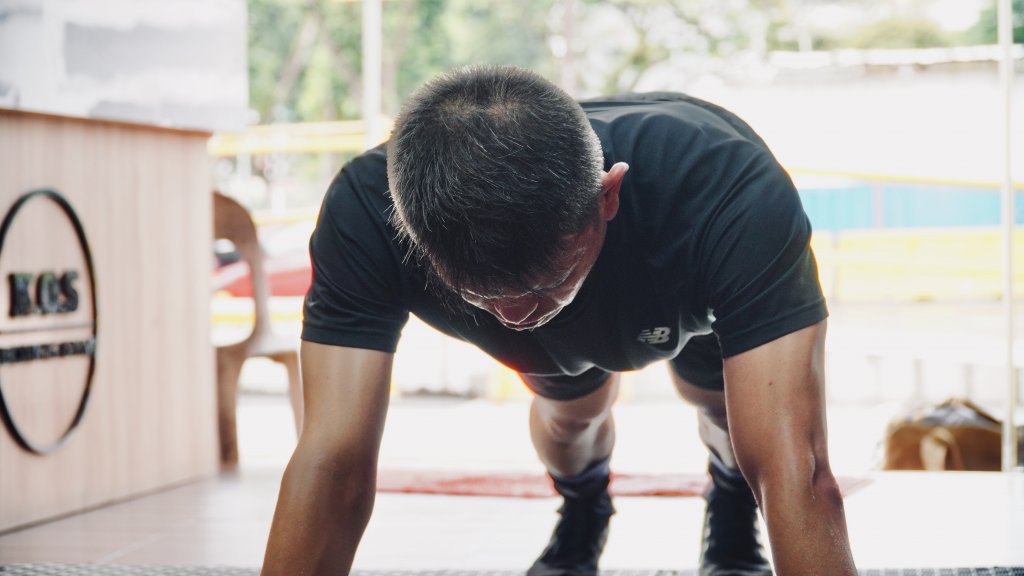
Man performing push-ups at boxing gym, with good posture and form emphasizing strength training and injury prevention.


Embracing Boxing as a Lifestyle

“Boxing is not just about the physical aspect, it truly shapes your body, hones your mind, and fortifies your spirit,” Coach Kumar remarks. He stresses that boxing teaches respect, perseverance, and humility—virtues that extend far beyond the gym. Learning how to box properly and understanding the muscles and the form used in boxing are crucial for your own fitness journey. This journey integrates boxing into your lifestyle, ensuring that every punch is not merely a physical act, but a step toward personal growth.


Crafting Your Recovery Path

Recovery is integral to your boxing journey, preparing you for the next fight and the challenges beyond. Every boxer’s recovery needs are unique. With insights from experienced coaches and the support of your gym community, you can tailor a recovery plan that aligns with your goals. Whether it’s refining your diet, optimizing your sleep habits, or recovering from an injury, the expertise of fellow coaches, and advice from fellow boxers will be invaluable.


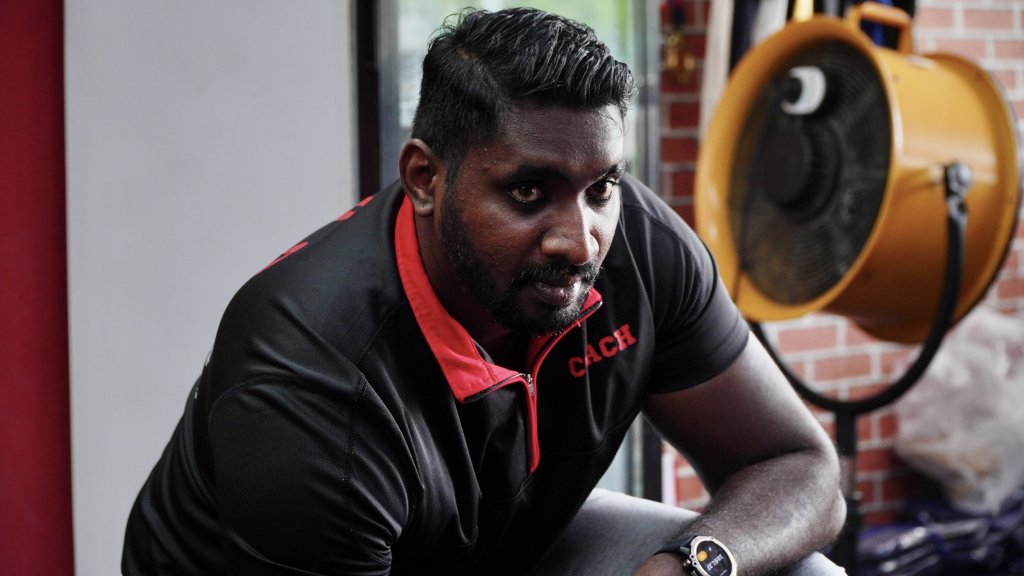
Boxing coach at King of Strength gym, monitor and guiding fellow boxing gym goers


Feel The Power of The Boxing Community

At King of Strength, the boxing gym is a community, a place where bonds are formed through shared sweat and ambition. This collective spirit supports your recovery journey, offering motivation, advice, and camaraderie. Embracing this community enriches your boxing experience, providing a network of support that champions every member’s growth. Grab your boxing gloves, step into recovery with confidence, and embrace every day as an opportunity to advance on your own boxing journey.


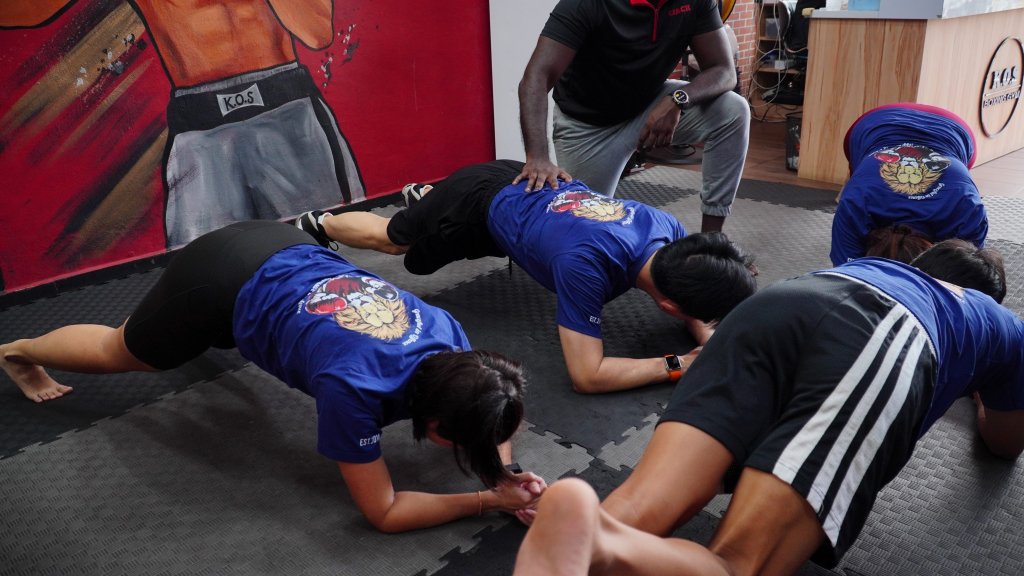
Group of people performing plank exercises under the supervision of a coach at King of Strength boxing gym.


Ready to experience the power of our King of Strength boxing community firsthand? Sign up for a free trial class today and discover how boxing can transform your body, mind, and spirit. Click here to book your free trial and start your journey with us!


6 Reasons Exercise Is Good For Your Mental Health

How important is your mental well-being to you?

In today’s busy world, we often forget about our mental well-being. Just like we care for our physical health, our mental health deserves attention, too. Life’s ups and downs can sometimes throw us off balance, but there’s a simple solution: exercise. We’ll show you why it matters and share practical insights from our members. Join us on this journey to better mental health through exercise

mental health wellness


Sharper memory and thinking

Exercise can boost our memory and thinking by improving sleep and mood and reducing stress and anxiety. Problems in these areas frequently cause or contribute to cognitive impairment.


Higher self-esteem

Regular exercise positively influences our self-esteem and how we view ourselves. It can also enhance our mood.


Better sleep

Exercise improves sleep quality. It increases the overall amount of time you spend asleep and the amount of time you spend in slow-wave sleep, aka deep sleep. Slow-wave sleep is the most restorative stage of sleep.


Help with depression and anxiety

Mood-enhancing chemicals called endorphins are released into your bloodstream during and after being active. These are the body’s natural painkillers and are responsible for the ‘feel good’ factor. They also help to relax muscles and relieve tension in the body. Also, when you’re exercising, your mind focuses on achieving the goals you set out for the workout and not the negative thoughts that are usually lingering.


Connecting with people

When you join a group class, doing team activities can help you meet new and like-minded people. It is a great avenue to make new friends.


Introduce a feeling of personal achievement

Goal setting is a great way to improve your mental agility by providing a sense of achievement after having accomplished a goal.


Some comments made by our trainees:

  • “The gym is my happy place”
  • “Boxing helps relieve my stress”
  • “I am able to express my frustrations through boxing”
  • “The only time my mind is free is when I come to the gym”
  • “Boxing is my coping mechanism”
  • “Good outlet for mental health”
  • “Boxing has helped me so much in terms of confidence and mental health”
Illustration of a person on the floor looking sad with a helping hand reaching down.
Sometimes, all it takes is a helping hand to lift you up.


Before we wrap up, we’d like to share some inspiring stories from our community. Two of our KOS members, Vishnu and Priscilla, have embarked on their own journey to support mental well-being. Vishnu’s Trident Therapy and Priscilla’s Range Counselling Services are here to lend a helping hand. Don’t hesitate to contact them if you’re seeking guidance because, as we’ve emphasized throughout this article, your mental health is a priority.


Vishnu
Company Name: Trident Therapy
Website: https://tridenttherapy.com
https://tridenttherapy.com/is-therapy-for-me/
Priscilla
Company Name: Range Counselling Services
Website: https://rangecounsellingservices.com
Email: hello@rangecounsellingservices.com

For more information on our rates and how you can join our community, visit our Schedule + Rates page. Together, let’s prioritize our well-being and support one another.

Signing off with a fist bump

Get Regular Workout Benefits with a Boxing Fitness regime

What is intriguing about Boxers and their regimes?


They go through extraordinary extents and rigorous training. Boxing is not about fighting alone. It is a workout that boosts mental agility, improves focus and coordination, and blends aerobic and anaerobic exercise.


Boxing training is not only for the ring. It is a real-life skill that can help in numerous aspects of life. Our eating habits, lifestyles, and routines make us lethargic. Twenty minutes on the treadmill, 20 on the cycle and the other 20 with random exercises. You go back exhausted.


Forget the boring one-hour workout at the gym. Indulge in these workouts which will make you come back for more.


These are basic exercises one and all can do. If workouts in the Martial Arts entice your adrenaline, try Boxing.


Boxing includes all your basic workouts and more:

  • Heavy bag
  • Shadow boxing
  • Jumping rope
  • Weight training
  • Speed bag
  • Running
  • Stretching

Heavy Bag.

  • Start fight training and work your physique and weight loss starts gradually.
  • Hitting heavy bags build punching power and increase metabolism. It involves the legs and arms to power up and punches, in turn activating all the parts of your body. Sweat and see those fats burn like butter.
  • Workout: include legs, knees, and elbows to define your thighs and calves. Work in sets. Combination punches and kicks with shadow boxing or squats for 30-60 seconds. Repeat.  


KOS

Shadow Boxing.

  • Shadow boxing helps professionals loosen up joints and warm up before actual drills.
  • Basic knowledge of punching techniques and footwork can create a shadow boxing workout to aid weight loss. It is like fighting an imaginary opponent.
  • Workout: Throw combinations, change stance, work on your hip movements. Shadow Boxing is a package deal.

Jumping Rope.

We have all at some point had a jumping rope lying at home. Other than tripping over it multiple times. The benefits are it yields are humongous.

  • It is a conditioning exercise.
  • Continuous jumps and different levels of intensity make it a fantastic workout.
  • It works the entire body, the swinging action works on the forearms hands and wrists
  • The spring and light footwork improves balance, stance, and posture.  
  • Workouts: Shuffle your feet side to side and time yourself. Do a few two-or three-minute rounds, resting 30 to 60 seconds in between. Then proceed to multiple variations like Double-unders or two spins per jump.


Weight Training:

  • Weight training improves bone density
  • It builds lean muscles. Strengthens connective tissues and tendons.
  • Its trains your back and gives you posture.
  • It reduces stress and enhances the mood.
  • Workout: Indulge in high and low rep trainings for optimum results.

To build Muscle and Strength lift Lighter Weights and do more sets.

To build strength alone, lift heavy weights for few reps.

Speed Bag:

  • Improves hand-eye coordination, focus and punching speed.
  • It takes immense patience and practice to set a rhythm and work on a speed bag.
  • Workout: Once you are able to beat a speed bag continuously for over 2 minutes, it can become a part of your complex trainings.    

Running:

  • Running is a dynamic exercise. There are several variations. Jogging, slow runs, long & short strides, etc.
  • Running is an intense part of HIIT training program.
  • Workout: 5 minutes of warm-up and stretching. Start running at a regular pace for a minute, increasing the speed to your maximum capacity. Keep at it for a minimum of 20 seconds, gradually reduce the pace and slow down. Repeat. Continue for 15 – 20 minutes. Finish routine with 5 minutes of passive stretching.

So, look around your gym again. Indulging in fight training is easy. All you need is determination, grit, passion for pushing your limits and an excellent coach.

At KOS, coaches are trained and experienced to help you achieve your goals. The destination is not to win in the ring, it is to test your own capabilities and overcome your limitations.

Home Workout Guide: Achieve Gym-Level Results without Leaving Your Doorstep

Home Workout Guide: Achieve Gym-Level Results without Leaving Your Doorstep

When you introduce an extraordinary addition to your life, it has the potential to transform your entire world. It influences your perspective, shifts your priorities, and even molds your daily habits, ultimately affecting how you perceive yourself. So, who is this extraordinary companion? It’s none other than the art of boxing – a combat sport that exudes power and precision, far more than just a physical endeavor.

This article unravels the art of boxing as a means to attain gym-level results right in the comfort of your home. Get ready to explore a practical and down-to-earth guide that will spark your curiosity and leave you eager to continue reading, all while revealing the secrets to achieving your fitness goals without stepping outside your front door.

Boxing Benefits:

Strength:

Physical Strength through endurance testing workouts and mental strength through discipline and focus. It may not make you an absolute lean, mean fighting machine. However, conditioning and body toning will give you the power to deal with nasty bulky wannabes in the world without batting an eyelid. Boxing is a sport where size does not matter, a powerful punch is enough to put down a 7-foot-tall gangster or an animal in self-defense.

Punching Prowess:

Boxing is a stand-up strike style sport. It focuses on building potentially fatal punches. Channeling energy from the entire body to the fist. It is indeed a challenging sport. It works the whole body to perform that one killer move to defeat the opponent.

Burn Calories and Stress:

A person weighing in at 80 kgs may burn 250 calories in 30 minutes by punching a heavy bag. Gradually burning close to 500 calories at the same time as they progress in training. Boxing training is both aerobic and anaerobic in nature, making it an excellent stress reliever.


Boxing class participants perfecting their punches.
Boxing enthusiasts in a class, honing their punching skills.


Hectic schedules, time constraints, budget limitations, travel plans, and well many other interruptions lead to missing a workout session at the gym. Buy essential Boxing Wear and Equipment and get started at home instead.

Boxing Gear:

Investing in the right Boxing gear and preparing for your Boxing journey requires a few essentials.

1. Hand Wraps and Training Gloves

  • Hand wraps protect small bones in the hands from breaking.
  • It secures the wrists from sprains.
  • It keeps the skin on the knuckles from tearing
  • Training gloves or sparring gloves are designed to provide extra protection.
  • They are heavily padded, compared to professional boxing gloves.

2. Footwear:

  • Boxing footwear is permeable, allowing sweat to evaporate.
  • The traction allows you to stand firmly on training surfaces.
  • They are lighter allowing flexibility of movement.

3. Bodywear:

  • Intense workouts may lead to skin rashes. It is advised to buy breathable athletic wear.
  • Women, also, should invest in good sports bras and breast pads for protection.

4. Mouth guard:

  • Protects the soft tissues in the jawline.
  • Secures from bone displacement.

5. Jumping rope:

  • Improves stamina in the forearms, shoulders and leg muscles.
  • Builds speed-endurance    

6. Heavy bag:

  • Boxing bags range from less than 10 kgs for beginners to 80 kgs for heavy hitters.
  • It helps you develop power, timing, and rhythm.


Boxer delivering a powerful punch to a heavy bag.
A dedicated boxer giving their all during a bag workout.

We compiled a list of exercises that will make you feel no less than going through an intense gym workout without stepping out of your door.

How to exercise at home

Warm-up: Prepare your body for what is to come. 5-10 minutes of slow-paced exercises to avoid sore muscles and chances of injury. Warm-up exercises can get intense once you start training harder.

Beginner – Intermediate – Advanced Training.


Follow a workout routine. No boxing equipment is required. (heavy bags, gloves).

Follow Youtube Home Boxing videos , Boxer Beginner Videos and get started!


  • Jog in place to pump up your blood to your muscles.
  • Jump rope improves heart rate and blood pressure. Strengthens shoulders and arms.
  • Burpees help work muscles in the entire body.
  • Mountain climbers raise the heart rate. Build strength and endurance in the core.
  • Squat Jumps enhance the intensity of your workout, aids in power and mobility.
  • Use a staircase if possible. In your house or building.
  • Practice leg swings, arms circling, and torso twists.


Moving forward. Once your body is ready to take on more. Try these Workouts without the heavy bag.

  • Start with straight punches including back and forth strides.
  • Switch with hops and jumps.
  • Build a rhythm, duck, and punch.
  • Run on the spot with quick big steps.
  • Work on different Combination punches.
  • Immerse yourself in intense Shadow boxing.

Finish off your home routine with a conditioning set (low-intensity exercises).

  • Push-up planks.
  • Bicycle kicks.
  • Walking lunges.
  • V sits & V ups.

Relax. Hydrate.

Hope that was fun.

Student receiving expert guidance from a KOS coach during punch practice.
A student diligently training with the guidance of a knowledgeable KOS coach.


In the end, remember that you don’t require a room filled with boxing gear to embark on your fitness journey at home. While gloves, heavy bags, and punch mitts can certainly add excitement to your routine, it’s the training, the camaraderie of sparring, and the motivation you get from a workout partner that truly keeps your spirits high. So why not take that first step towards a healthier, more empowered you?

Whether you decide to join a local boxing gym or opt for personalized boxing training in Singapore, you’ll discover routines tailored to your unique needs. The beauty of boxing is that it lingers in your thoughts long after you’ve left the gym. If you’re ready to make that leap, check out our Schedule + Rates page to find the perfect fit for your journey. Your boxing adventure awaits!

Empowering Female Boxers: Breaking Barriers & Shaping Champions!

Bet you didn’t expect to see this title, right? Ladies, I have a hunch you’re intrigued (probably more than the gents, haha!). Today, we’re delving into the world of female boxers – their passion, their skills, and the myths we’re about to shatter. Can girls really throw punches? The answer is a resounding YES! In fact, some of them excel even beyond their male counterparts. Get ready to uncover the untold truth about the incredible prowess of female boxers. Let’s lace up and journey through a world of power and technique that knows no gender bounds.


Focused Female Boxer Following Instructions in Class


1) Girls follow instructions 100% 

Girls are generally great when they have to follow a set of instructions. Even in a classroom, the girls are usually the monitors/prefects obeying to rules and ‘following’ the set of rules. For males, we are abit more curious and wanting to try out more than what is being taught to us. Therefore, the girls stick closely to what the coaches have taught them and patiently practice till they are taught a new drill.

Kickboxing Match: Girls Displaying Technique Over Power

2) Girls don’t ‘try’ to hit hard.

Girls don’t try to force out power when they are learning the techniques. However, for guys, especially beginners ‘try’ very hard to hit hard. Forcing so much power that makes them stiffer and slow. They overlook the entire technique portion. Techniques first guys, power will follow later on!

Female Boxer Perfecting Punch Technique with Instructor

3) Born with natural gracefulness 

I always advise all my female boxers not to try and box like a man. You ladies are blessed with natural gracefulness. Bring that gracefulness to boxing! I’m still trying to box gracefully in the ring, therefore do not lose that part of you. Muhammad Ali is known as ‘The Greatest’ not because he had great power, he is known because of his gracefulness during his fight. It looks like he’s dancing yet boxing.

Female Instructor Demonstrating Graceful Boxing Form

Here’s to breaking stereotypes and honoring strengths! Ladies, you’re boxing champions. Everyone, let’s learn and thrive together. Join our journey – explore our Schedule + Rates and become part of the energetic boxing community that values skills, passion, and togetherness.

Cheers!
Coach Kumar

How Boxing helped me Achieve Strength & Conditioning

Boxing is an explosive and powerful sport. To train and transfer the results of boxing in real life takes a great deal of combination exercises. The anaerobic style makes it a greater contender for a variety of workouts.  Creating and following routines that depend on an individual’s physical needs and level of involvement.


In this article let us explore how Boxing benefits the human body and mind. Remember, to build yourself to a level where your body and confidence can no longer be shattered is a painstaking process. It requires determination, a strong base, and an excellent coach. Consult a doctor before undergoing an intense physical program.

How Boxing works in a nutshell.

  • It is a full body workout. It trains and defines every muscle in the body.
  • Boxing strengthens and develops the core.
  • Learn self-defense disguised as a combat sport.
  • Pounding and punching heavy and speed bags relieves stress, anxiety, and aggression.
  • Once a workout routine is set, and boxing comes to you naturally. To set up a few Boxing equipments at home is a good choice.
  • Boxing is a high-calorie burner.
  • Anaerobic workouts strengthen the respiratory and muscular systems.
  • Boxing builds focus on performance instead of aesthetics.
  • Makes you confident in the skin you live.
  • Initiates sportsmanship, though is it a combat sport.

Boxing is demanding. To understand how it helps the body in various ways. We have compartmentalized the structure of the sport into four significant phases.

Phase 1: The Warm-Up.  

Warm-up is equal to a stepping stone. A kind greeting, before the actual training, leaves you lifeless. Only to make you stronger. Warm-ups focus on functional exercises that progressively increase joint movements and get them working. Always start slow. Do not indulge in passive stretching. Leave that for after you finish your work out. These activation exercises build a ground base for technical and strength training.


  • Walking Lunges get the hip joints in motion.
  • High Knee Walking does not stress the muscles, instead prepares the muscles for intense workouts.
  • Fast High Knees help pump up the cardiovascular and nervous system, igniting them for the main workout.
  • Walking Butt Kicks is reaching out to your butt. It relaxes and knee flexors and the hamstrings.
  • Sumo Squats release the thigh tension. It Works on the core, abdominals and the lower body.
  • Arm Circles is an upper body warmup to loosen the shoulders, forearms, and hands.
  • Jumping rope is much more than a warm-up exercise. It builds focus, hand-eye coordination, balance and agility in footwork.
  • Boxer Push-ups help strengthen the shoulders and chest
  • Planks improve balance and help support the posture.
  • Boxer Bicycle Crunches work on the abs, legs and improve body coordination.


These are just a few exercises to activate your body and fire up your core. Time to head to Phase 2.

Phase 2: Strength Training

Strength training is also known as resistance training. It builds a base for training the muscles and motor patterns. It conditions the body of a boxer for stronger, faster and powerful movements. These exercises can also be termed as functional exercises. More like performance centered and not just for show. These exercises are meant to boost an athlete’s body. It involves functional compound exercises to work multiple joints and muscle groups.


  • Pull-Ups work on the posture, back, rear shoulders and biceps. To give you that vast space so you can cover from or hit your opponent.
  • The seated cable row exercise work on the back muscles and forearms.
  • Triceps Pushdowns are a great way to build and work the arms. If you have sustained a prior elbow injury, it is suggested you practice under supervision.
  • Dips are considered superior to push-ups. You lift your entire body weight, unlike pushups. Building body mass and majorly improving your lockout strength.
  • The Overhead press builds strong arm and shoulder muscles. To shower those iron fists at lightning speeds on the opponent.
  • Shadowboxing: It may look like throwing punches in the air. However, results depend on the intensity of your workout. Shadow boxing improves boxing skills, overall body fitness, stance, and flexibility.
  • Sparring: It helps develop speed, control and defense tactics. Sparring is an essential form of training to familiarise with real-life ring situations.
  • Agility Ladder: This drill can have numerous variations and improves footwork tremendously.  


Boxers should indulge in free weight exercises too, as boxing is not a stationary sport.

Phase 3: Power Training

Power training requires swift and dynamic movements. It also adds the risk of injury. Strength training is to build that base and progress towards power training. The technique is of importance in this phase. Once you are aware of your body momentum and potential, the body adapts to the techniques and fluidity required. There is a science behind every movement in Boxing. Power training advances your level of speed, stability, and technique.


  • Back squats: They strengthen the lower body. The correct technique where the hips extend and go lower than the knees transfer the force from the feet to the hips, the core and effectively when you launch up to punch. Back squats maximize the jump in return aiding the impact of your punch.
  • Clean and Press: Lift as much weight as the body can take retaining its right position. It demands the tightening of the core and back, throughout. Hip extension plays a vital role in balancing the weight of your body. Keep the bar/dumbbells/kettlebells moving except for brief pauses between sets. Squats take power from the ground up to hand, as boxing requires.
  • Kettlebell Training: Boxing requires ballistic movements.  The kettlebell exercises the muscles, its contractions, and speed. Generation of force after training is how boxers pack that powerful punch. Basic movements like one and two arm swings, clean, press and push presses are essential before moving on to more complex exercises.
  • Resistance Bands: Core strength is a must for reliable and powerful movements.  It helps in rotational exercises.


These are just some sample exercises you can include in your routine. The purpose of power training is to workout with dynamic exercises that give your body a power boost and not tire you with exhaustion. Moving on to Phase 4.


Phase 4: Conditioning

Boxers are supposed to maintain an intense but rhythmic pace during a fight. Here, Conditioning comes into play. Conditioning imitates the demands of a boxing bout. It demands short bursts of high-intensity exercise. A few exercises that help Conditioning are bench presses, mountain climbers, burpees, and pushups. However, boxing requires more.


High-intensity interval training (HIIT), conditions the body through anaerobic activities. Alternating fast-paced exercises at short intervals with little or no rest.  

  • Battle Rope: 30-40 seconds of intense waving works on the upper body. There are multiple variations to use ropes. Take breaks with light footwork and get back in action with flexible arm movements but a firm lower body and core. Repeat.
  • Heavy bag: Work your punch combinations on the heavy bag for 30-60 with squats after each combo and repeat.


Incorporate your sets with sprints, slow jogs, high knee jump ropes and more. The circuits can vary according to your requirement and capacity. The best interval exercise is shadow boxing. Keeps you in the stance and hones your skills.  


After intense workouts always remember to relax your muscles to avoid cramps and muscle spasms. Gradually turn to passive stretching for up to 10 seconds to calm the body. These exercises include:

  1. Neck Rotations
  2. Hamstring Stretch
  3. Thigh Stretch
  4. Chest Stretch
  5. Quadriceps stretch


Well, that is how you can achieve ultimate Strength and Conditioning through Boxing. Now grab yourself a hydrating calorie-rich drink and come to join us at KOS. No matter how bad things get, stay assured, boxing will always be there for you.

Achieve Strength & Conditioning

Unlocking the Power Within: How Boxing Elevates Mind and Body

Boxing, with its explosive and powerful nature, offers far-reaching benefits that extend beyond the ring. It’s not just about throwing punches; it’s a holistic approach to harnessing strength and conditioning. In the realm of fitness, the anaerobic style of boxing shines as a versatile contender for a wide range of workouts. But it’s not one-size-fits-all; it’s about crafting routines tailored to your unique physical needs and level of involvement.

In this article, we invite you to delve into the world of boxing and discover the remarkable ways it transforms both your body and mind. The journey to becoming unbreakable, both physically and mentally, is an art that demands unwavering determination, a solid foundation, and the guidance of an exceptional coach. And, as with any significant physical endeavor, it’s wise to consult a doctor before embarking on an intense training program.


Boxing Class in Action - Practicing Punches
Boxing class in full swing, everyone perfecting their punch techniques.

How Boxing works in a nutshell

  • Provides a comprehensive full-body workout, targeting and toning all major muscle groups.
  • Strengthens and enhances the core muscles.
  • Offers valuable self-defense skills within the context of a combat sport.
  • Alleviates stress, anxiety, and pent-up aggression through the physicality of pounding heavy and speed bags.
  • As boxing becomes second nature, it becomes convenient to set up home boxing equipment for training.
  • Acts as an effective high-calorie burner, aiding in weight management.
  • Enhances the respiratory and muscular systems through anaerobic workouts.
  • Prioritizes performance and skill development over aesthetic outcomes.
  • Boosts self-confidence and self-esteem.
  • Fosters sportsmanship values despite being a combat sport.

Boxing is demanding. To understand how it helps the body in various ways. We have compartmentalized the structure of the sport into four significant phases.


Energetic Gym Goer Practicing Skip Ropes
A motivated gym enthusiast skillfully handles skip ropes during their workout.


Phase 1: The Warm-Up.  

Think of a warm-up as your essential first step, a friendly introduction before the real workout begins. It might seem gentle, but it’s the secret to making you stronger. Warm-ups consist of functional exercises that gradually limber up your joints and set them in motion. Always begin at a leisurely pace. Avoid passive stretching; save it for your post-workout cool-down. These activation exercises lay the foundation for your technical and strength training

  • Walking lunges get the hip joints in motion.
  • High Knee Walking does not stress the muscles, instead prepares the muscles for intense workouts.
  • Fast High Knees help pump up the cardiovascular and nervous systems, igniting them for the main workout.
  • Walking Butt Kicks is reaching out to your butt. It relaxes and knee flexors and the hamstrings.
  • Sumo Squats release the thigh tension. It works on the core, abdominals, and lower body.
  • Arm Circles is an upper body warmup to loosen the shoulders, forearms, and hands.
  • Jumping rope is much more than a warm-up exercise. It builds focus, hand-eye coordination, balance, and agility in footwork.
  • Boxer Push-ups help strengthen the shoulders and chest
  • Planks improve balance and help support posture.
  • Boxer Bicycle Crunches work on the abs, and legs and improve body coordination.

These are just a few exercises to activate your body and fire up your core. 


Happily Smiling Boxer Lifting Dumbbells
Our skilled and joyful boxer, confidently lifting dumbbells, ready for the ring.


Phase 2: Strength Training

Strength training, sometimes called resistance training, forms the foundation for muscle development and motor skill enhancement. This phase prepares a boxer’s body for more robust, quicker, and more powerful movements. Think of these exercises as functional, performance-focused workouts rather than mere demonstrations. They’re designed to elevate an athlete’s physical capabilities, employing compound exercises that engage multiple joints and muscle groups simultaneously.

  • Pull-ups work on the posture, back, rear shoulders, and biceps. To give you that vast space so you can take cover from or hit your opponent.
  • The seated cable row exercise works on the back muscles and forearms.
  • Triceps Pushdowns are a great way to build muscle and work on the arms. If you have sustained a prior elbow injury, it is suggested you practice under supervision.
  • Dips are considered superior to push-ups. You lift your entire body weight, unlike pushups. Building body mass and majorly improving your lockout strength.
  • The Overhead press builds strong arm and shoulder muscles. To shower those iron fists at lightning speeds on the opponent.
  • Shadow boxing: It may look like throwing punches in the air. However, results depend on the intensity of your workout. Shadow boxing improves boxing skills, overall body fitness, stance, and flexibility.
  • Sparring: It helps develop speed, control, and defense tactics. Sparring is an essential form of training to help you familiarise yourself with real-life boxing ring situations.
  • Agility Ladder: This drill can have numerous variations and improves footwork tremendously.  

Boxers should also incorporate free weight exercises into their training regimen because boxing is a dynamic and mobile sport.


Female Boxer Focused on Lunges
A determined female boxer demonstrates perfect form during lunges.


Phase 3: Power Training

Power training demands quick and agile movements, but it also comes with a heightened risk of injury. To prepare for power training, you first establish a strong foundation through strength training. The correct technique is crucial at this stage. As you become/ attuned to your body’s rhythm and capabilities, you’ll naturally adapt to the necessary techniques and fluidity. Remember, every move in boxing has a scientific aspect. Engaging in power training elevates your speed, stability, and overall technique to a higher level.

  • Back squats: They strengthen the lower body. The correct technique where the hips extend and go lower than the knees transfers the force from the feet to the hips, the core, and effectively when you launch up to punch. Back squats maximize the jump in return aiding the impact of your punch.
  • Clean and Press: Lift as much weight as the body can take retaining its right position. It demands the tightening of the core and back, throughout. Hip extension plays a vital role in balancing the weight of your body. Keep the bar/dumbbells/kettlebells moving except for brief pauses between sets. Squats take power from the ground up to hand, as boxing requires.
  • Kettlebell Training: Boxing requires ballistic movements.  The kettlebell exercises the muscles, their contractions, and speed. The generation of force after training is how boxers pack that powerful punch. Basic movements like one and two-arm swings, clean, press and push presses are essential before moving on to more complex exercises.
  • Resistance Bands: Core strength is a must for reliable and powerful movements. It helps in rotational exercises.

Here are a few example exercises to incorporate into your routine. The aim of power training is to engage in dynamic exercises that provide your body with a significant power boost without leaving you feeling overly fatigued.

Phase 4: Conditioning

In the boxing ring, maintaining a relentless yet rhythmic pace is crucial. This is where conditioning takes center stage. Conditioning mirrors the demands of an actual boxing match, requiring brief but intense bursts of exercise. While exercises like bench presses, mountain climbers, burpees, and pushups contribute to conditioning, boxing requires a unique approach to fitness.


Two Female Boxers Engaged in a Boxing Spar
Two fierce female boxers passionately engage in a sparring practice.


Conditioning involves high-intensity interval training (HIIT), a method that fine-tunes your body through anaerobic activities. It consists of swiftly alternating between fast-paced exercises in short bursts, with minimal to no rest in between.

  • Battle Rope: 30-40 seconds of intense waving works on the upper body. There are multiple variations to use ropes. Take breaks with light footwork and get back in action with flexible arm movements but a firm lower body and core. Repeat.
  • Heavy bag: Work your punch combinations on the heavy bag for 30-60 with squats after each combo and repeat.

Mix your sets with activities like sprints, leisurely jogs, high-knee jump ropes, and more. Customize your circuits to match your needs and abilities. Notably, shadow boxing stands out as the top choice for interval training, helping you maintain your stance and sharpen your skills.


After intense workouts always remember to relax your muscles to avoid cramps and muscle spasms. Gradually turn to passive stretching for up to 10 seconds to calm the body. These exercises include:

  1. Neck Rotations
  2. Hamstring Stretch
  3. Thigh Stretch
  4. Chest Stretch
  5. Quadriceps stretch


Boxer Demonstrating Precise Punching Technique
A boxer demonstrates the art of precise and powerful punching.


In the quest for ultimate strength and conditioning through boxing, we’ve unveiled the transformative power of this sport for your body and mind. So, grab a refreshing, calorie-rich drink, and consider joining us at KOS.

Remember, no matter life’s challenges, boxing will always stand by your side, offering its enduring benefits. Curious about our Schedule and Rates? Explore them here and take the next step in your journey with us.

The Myth: Boxing Is Unsafe

Unboxing the Reality: Debunking the Myths and Risks of Boxing

Although boxing is considered safer than activities such as horse riding, scuba diving, and gymnastics, it often carries an intimidating visual imagery. Notably, certain countries, including Norway, Cuba, and North Korea, have even prohibited professional boxing. Comparatively, sports like soccer and cricket may appear effortless, yet they do carry the risk of fractures, ankle sprains, ligament damage, as well as head and neck injuries. So without a doubt, boxing has the potential to cause both minor and major injuries.

The Common Myths

1. Boxing is a Dangerous Game

Boxing is not a game, but rather a combat sport. It involves adhering to a set of rules where the outcome is determined by an individual’s performance. To prioritize safety, the Amateur Boxing Association has implemented stringent guidelines that require rigorous physical, mental, and medical tests conducted by experts before each match.

 2. Boxing is two people punching to kill

While a first-time spectator may have preconceived notions, boxing is a multifaceted sport. Before stepping into the ring, fighters diligently prepare themselves by studying their opponents’ weaknesses and capitalizing on their strengths. It is a strategic contest, akin to an exam, where the more proficient athlete emerges victorious. In cases of significant blows or injuries, the referee promptly intervenes, and the scoring system determines the outcome.

3. Boxers pick fights

Boxers indeed engage in fights, but only in the context of self-defense. Through training, they develop self-confidence and clarity. Their ultimate goal is to avoid confrontations by utilizing defensive techniques such as blocks, ducks, rolls, and agile footwork to effectively evade any potential assailant. Punches are employed as a last resort, serving as a reminder that righteousness prevails over evil.


Two boxers practicing, one striking and the other defending
Intense training session as one boxer strikes while the other defends.


Common Boxing Injuries:

  • Fractures can affect the bones in the hand that connect the wrist to the fingers. Fractures in the nose, jaw, and ribs are also occasionally observed.
  • Cuts and bruises are a common occurrence and can happen anywhere on the body. In amateur boxing, cuts are rare due to the use of protective headgear, but they are more prevalent at professional levels. Once a wound has been properly cleaned and covered, it will heal.
  • Concussions can result from a severe blow to the head, causing the brain to move within the skull. They are considered as one of the most serious injuries in contact sports, often leading to a state of confusion or disorientation.
  • Dislocated shoulder, when promptly treated, poses fewer risks. Adequate rest for several weeks is essential for its healing process.


Precautions

In October 2017, bodybuilder Pradip Subramanian’s sudden death due to cardiac arrest in a celebrity Muay Thai fight hit the news. Thereafter, stringent actions were taken to regulate medical assessments of fighters before fights.

To minimize the likelihood of sports-related injuries, it is essential to educate oneself on the potential risks and adhere to safety guidelines. Specifically, in the context of boxing, it is important to familiarize oneself with proper techniques and follow safety tips. Additionally, ensuring the correct usage of headgear, mouth guard, hand bandages, and boxing gloves is crucial.

Boxing class warming up with planks
Boxing class gets ready for action with a plank warm-up.

Boxing is for everyone

Boxing is an inclusive activity that caters to individuals of all genders and ages. In today’s modern world, we face various pressures such as long work hours, family challenges, stress, and depression. Engaging in martial arts provides an opportunity for interactive and holistic self-care, offering a refreshing alternative to mundane gym routines. As long as there are no significant injuries, anyone from the age of 19 to 91 can participate and enjoy boxing.

For men, boxing offers a chance to take a break from demanding schedules and embrace the sport to enhance their overall fitness. Singapore is home to numerous boxing gyms, where men can connect with like-minded individuals and push themselves to achieve their best physical shape. Fathers can benefit from obtaining a fit and healthy physique, becoming role models for their children, and emphasizing the importance of health and well-being.

For women, boxing presents an opportunity to shed societal expectations and empower themselves through basic self-defense techniques. Learning these skills, alongside maintaining physical fitness, can contribute to personal safety and confidence in challenging situations. Additionally, boxing is beneficial in managing conditions such as postpartum depression, allowing women to be the mothers they aspire to be and the women they believe they can be.

For children, the early years of life establish the groundwork for their future. Encouraging children to participate in boxing helps them develop and cultivate healthy interpersonal and physical skills. Equipping them with self-defense abilities enables them to feel secure and confident in vulnerable situations. Boxing techniques foster eye-hand coordination, presence of mind, critical thinking, and quick responses, which aid in managing school-related stress and improving performance.


Guy practicing defensive boxing moves

Physical and Psychological benefits

Boxing offers a range of advantages for both the body and the mind. It promotes the development of strong muscles, which are essential for supporting the bone structure. Additionally, it provides an excellent cardiovascular workout that greatly benefits the heart. Moreover, boxing has been shown to help prevent conditions such as high blood pressure, high cholesterol, and diabetes.

It is worth noting that boxing is not a skill that can be acquired overnight. It demands significant commitment and years of training to truly master the sport. Nonetheless, individuals have the freedom to choose their level of involvement, whether it be for recreational purposes or a more serious pursuit.

It is widely acknowledged that a healthy heart is the cornerstone of a healthy body and mind. Boxing goes beyond just physical combat and is considered an art that can enhance an individual’s ability to resolve conflicts, both in the physical sense and in the realm of the mind.

Discovering the truth about boxing may have put some doubts to rest, but curiosity often leads to courage. If you’re no longer afraid and ready to step into the ring of this remarkable sport, KOS welcomes you with open arms. Our passionate coaches are here to make your journey enjoyable and safe. It’s time to experience the many benefits of boxing for yourself.

Let’s take the first step together. Book your free trial at KOS today and uncover a world of fitness, self-discovery, and empowerment that awaits you.

The Beginners Guide to Boxing in Singapore

The Beginners Guide to Boxing in Singapore: Knocking Out Fitness Trends Worldwide


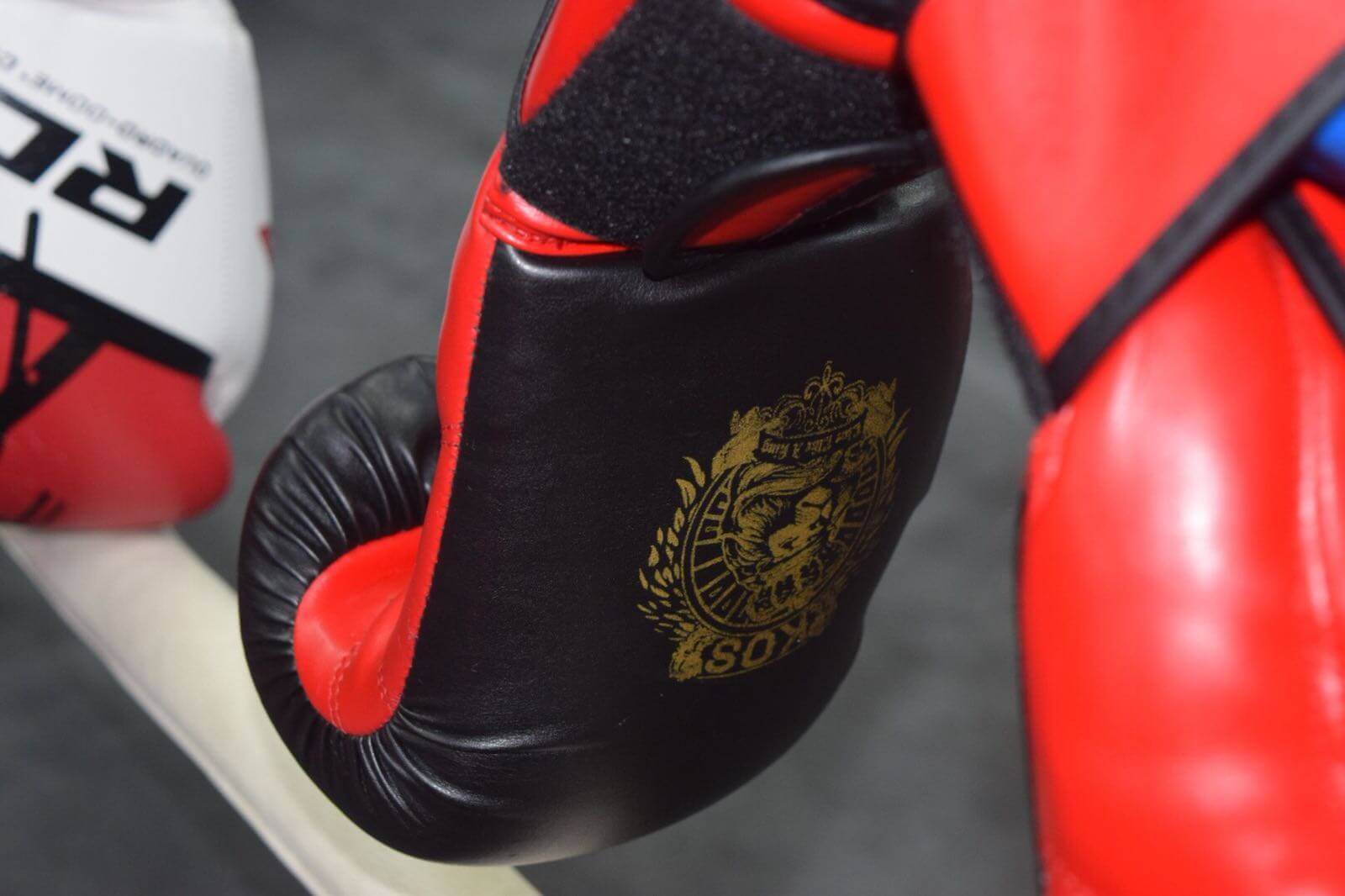
Pair of red and black boxing gloves
Get ready to lace up and hit the bag with these boxing gloves!


Pack a punch, hit ‘em hard! Numerous combat sports exist, but Boxing as a combat sport is one of the most popular and is practiced all over the world. Over the years the popularity of the game has grown. Fitness fanatics in countries like the United States, Mexico, and Russia turn to boxing as a sport to keep fit. The popularity of classic films like the Rocky series, Cinderella Man and Million Dollar Baby is further proof of the sport’s popularity. With a growing awareness of the importance of exercise, boxing is slowly gaining popularity in Singapore as a lifestyle sport that builds cardiovascular and muscular fitness.


Man practicing boxing punches with a trainer
Practising punches and techniques to become a skilled boxer


The Preferred Modern Combat and Lifestyle sport

Boxing might appear as an untamed and wild sport where two adults throw punches to knock each other out. However, to appreciate boxing or a boxer, you need to understand the journey. It’s a journey that doesn’t have a beginning or an end. It is a process.

There is a science attached to this ancient sport. It is not uncommon to be referred to as a game of chess. Boxing has two sides to it. Technique and Strategy. It is also about conditioning your emotions and manifesting them into physical fluidity.

Many fear injury, but the experienced know. When you have studied your opponent well, half your game is set. It isn’t just about the test of power but also a battle of the minds. Champion boxers mentally prepare themselves before they enter the ring. A calm boxer has a higher chance of winning instead of an aggressive one. The trick is to force your opponent to make mistakes so you can play your game!

 

Two boxers in the ring perfecting their boxing stances and posture
Dedicated boxers honing their skills with precision and focus.


Benefits of Boxing

Boxing is not only about self-defense. This sport works on your entire fitness, reflexes, hand-eye coordination, and mental presence. The psychological benefits are no less. Those who train regularly agree it helps them deal with anxiety and stress. It also helps them build confidence and feel good about themselves.

It sounds like much hard work, but on the plus side, it involves lots of cool gear. You instantly look like a lean, mean fighting machine once you wrap your hands and put on your boxing gloves and protective equipment. Once you get a few basics right after some training sessions, which usually involve pad work, sparring, and shadow boxing, you have set the foundation for honing your boxing skills. Whether you want to learn it as a hobby or make a career out of it, this is one sport where you can laugh over and still be friends after giving each other a black eye and torn lips.

Among the uninitiated, it is a commonly held myth that boxing is a male-dominated sport. The truth is boxing is for everyone. Females are equally involved in the sport. Boxing tones your torso and leg muscles. Let us not forget Laila Amaria Ali, the daughter of the boxing legend Muhammad Ali. She is among the top ten female boxers of all time.


Muhamad Ridhwan celebrating victory with raised arms in the boxing ring
Witness moments of triumph with Muhamad Ridhwan, our local boxing champion!


Boxing in Singapore 

In April this year, Muhamad Ridhwan, Singapore’s local Professional boxer, bagged the Intercontinental Featherweight (57kg) title at the International Boxing Organisation (IBO) at the Singapore Indoor Stadium. Fitness programs like Boxing and workouts with Gym Equipments rank among the top 10 Activities for Singaporeans according to www.sportsingapore.gov.sg.


As Singaporeans, we tend to feel shag after a long day. Fret not. There are numerous avenues to pick boxing skills. Instructional YouTube videos are one way to get started. Another way is to walk into one of the several boxing Gyms in Singapore and enroll for a trial session. 


Where to learn Boxing in Singapore?

Learn with us! King Of Strength (KOS) is a well-known boxing gym located in the North of Singapore.

We offer flexible daily, weekly, and monthly sessions at affordable prices. KOS is suitable for all and offers boxing lessons for beginners, too. This boxing gym trains you in the techniques and fitness required for the sport. KOS has highly trained and experienced instructors who teach you with modern equipment.

Learn Boxing professionally. You will learn the right way.

Hit, but don’t get hit. Join a class. You won’t regret it!