Essential Boxing Training Tips for Beginners and Beyond
matthew, 1 October 2026
The art of boxing is a lifelong journey. You can spend years trying to master the sweet science and still find new ways to improve. From seasoned pros like Floyd Mayweather to amateurs around the block, this learning curve is something all boxers share.
But becoming a good boxer starts with one very important element—training! Training shapes how you fight and the better you train, the better you become. In this article, we’ll be taking a look at essential boxing training tips for all boxers.
You could be a recreational boxer looking to become fit, an amateur preparing for your next bout, or even a professional trying to stay on top of your game—these tips could help you:
1. Work On That Jab
“The right hand can take you around the block, but a good jab will take you around the world.”
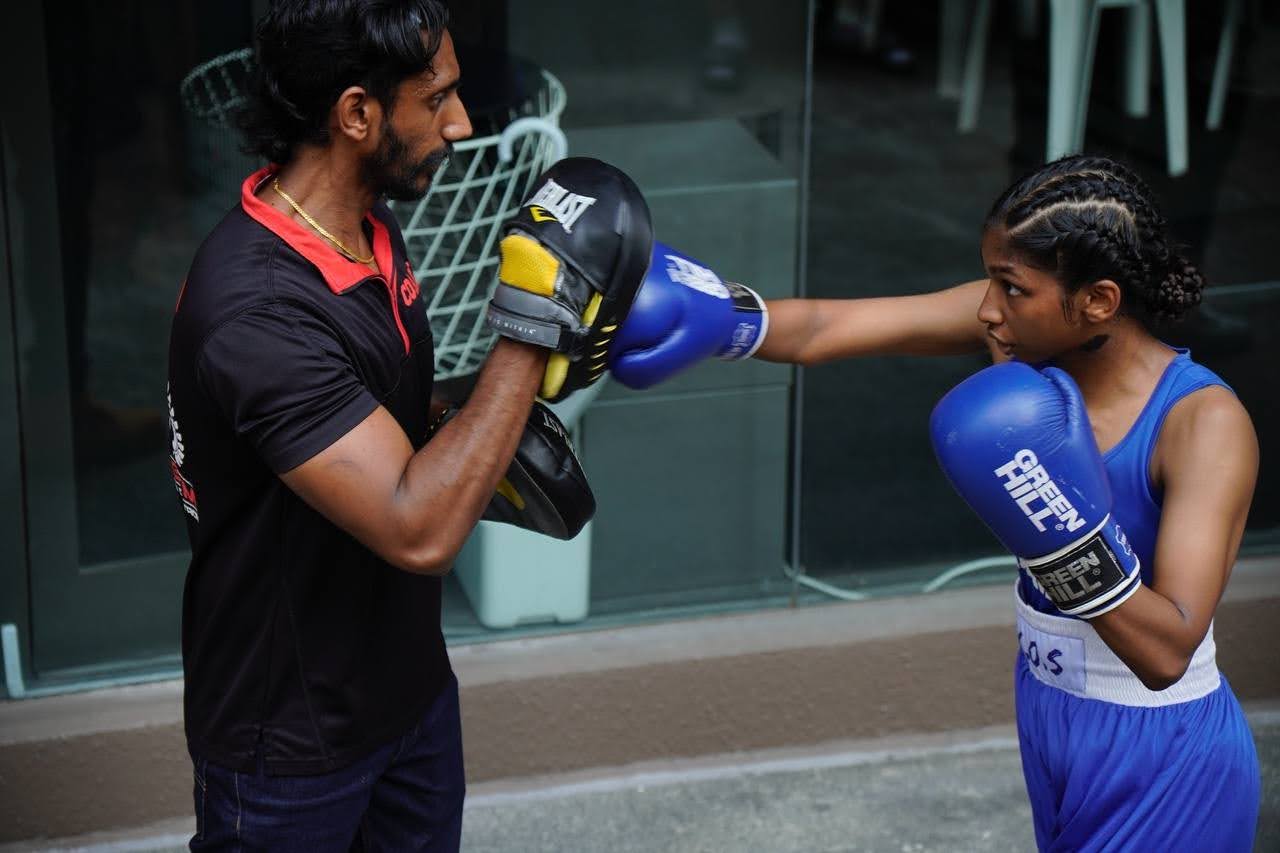
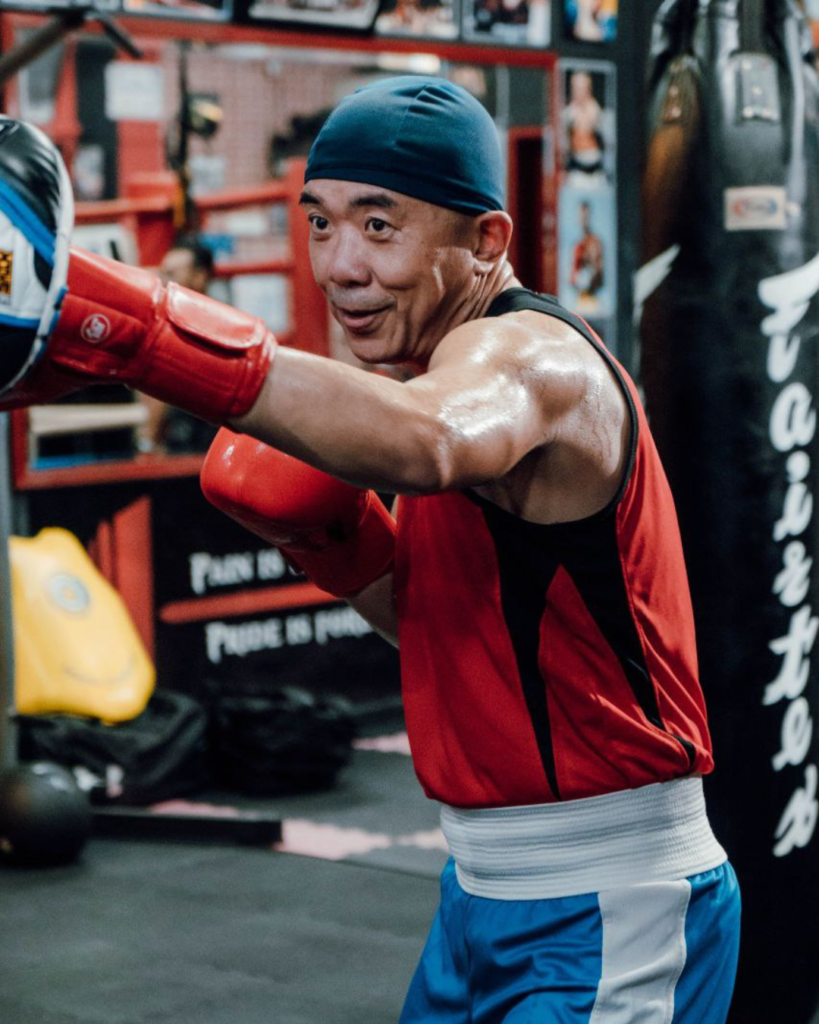
The jab is the most important punch in all of combat sports. It is also your longest weapon, operating as a range finder to dictate the fight. It has taken world greats like Muhammad Ali to the top and it could very well help you become a better boxer.
While the jab is fairly easy to execute, it is extremely difficult to master. Start by focusing on these fundamentals:
- Snap your jab as you throw and turn your fist over at the end. This can increase your reach and add more damage to your punch.
- Power comes from your legs so remember to step in with your lead leg when you throw your jab.
- Keep your backhand close to your chin as you jab and bring your jab hand right back to your chin as you retract.
- Flared elbows are a common mistake when jabbing. Keep your elbows tucked and remember to throw your jab in a straight line.
- Remember to stick and move. Don’t just throw your jab in a stationary position, but try and move around as you throw it.
2. Train Your Opposite Stance
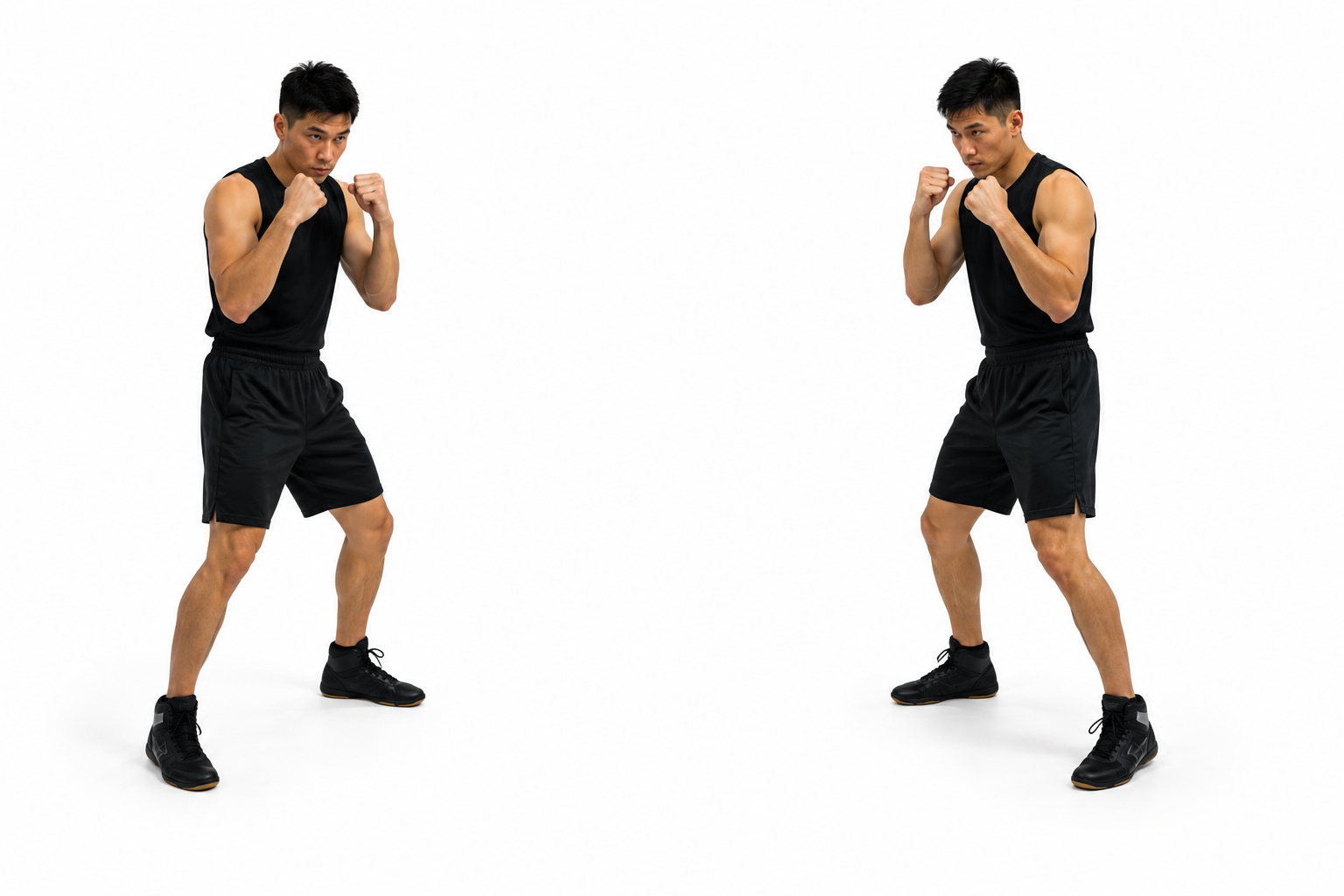
Boxers like Terrence Crawford and Marvin Hagler are known for their switch-hitting abilities. This is when a fighter can comfortably fight in both stances. They do this to give different looks to their opponents and open up new targets.
Coaches will rarely encourage beginners to switch-hit and rightfully so. Beginners should always build a strong foundation in their natural stance first—but that doesn’t mean you can’t dedicate a round or two to fighting in the opposite stance.
In fact, practising your weaker stance can improve certain aspects of your natural stance. You’ll develop better balance, coordination, and footwork while strengthening your non-dominant side.
This might even come in handy during situations where you’re forced to switch stances due to injury. Start by spending a round or two shadowboxing, hitting the heavy bag, or drilling basic punches from your weaker side.
As you become more comfortable, you’ll likely notice improvements in your overall boxing IQ. You’ll also learn how to break down opponents in both southpaw and orthodox stances.
3. Feint More
(Credit to: Sky Sports Boxing)
4. Hit and Don’t Get Hit (Defence)
(Credit to: Oracle Boxing)
“Float like a butterfly, sting like a bee. His hands can’t hit what his eyes can’t see”
Boxing is about dishing damage while avoiding it—to hit and not get hit. Most people can throw a punch, but knowing how to defend yourself is actually harder. There are three main pillars when it comes to boxing defence:
- Footwork: Footwork is the first line of defence when it comes to boxing. It helps you move out of the way to avoid a punch or move into your opponent to land your own.
- Hands: Hands help you block punches to the head and body. They are primarily used for standard blocking (high guard) but they can also be used to parry or catch punches. This is commonly known as the second line of defence.
- Head Movement: Head movement involves using slips, rolls, and pull backs to evade punches. Boxers like Pernell Whitaker and Canelo Alvarez were known for their head movement ability. This form of defence is the hardest to master.
By incorporating defence into your training, you naturally become more adept at avoiding punches while creating opportunities to counterattack. The best time to practise defence is while you shadowbox.
You can easily work on each pillar by visualising an opponent throwing punches at you. Slip a jab, roll under a hook, take a step back from a cross, or block and counter with a combination as you move around your invisible opponent.
5. Practise Rhythmic Breathing
Rhythmic breathing is the process of exerting correctly when you punch. This is where boxers make sharp sounds like “tss” or “ish”. It may sound funny at first, but this actually helps boxers maximise power and maintain stamina.
Beginners may not see the importance of this, but boxers who are serious about competing should definitely work on rhythmic breathing. Start by exhaling sharply every time you throw a punch. You can do this when you shadowbox, hit the bag, or spar.
Avoid holding your breath while throwing combinations. This causes your muscles to tense and you will fatigue quicker. As you slowly become comfortable with this process, you will naturally find yourself punching harder and faster.
Some boxers even develop their own special sounds!
6. Learn Different Styles
From outside fighters to sluggers, there are many different styles in boxing. Boxers like Shakur Stevenson are known for their outside fighting ability. Veterans like Mike Tyson were renowned for their high-octane, aggressive fighting style.
Then you have all rounders like Andre Ward and Terrence Crawford, known for their versatile boxing. Each style has its own advantages and disadvantages—which means learning and training different styles can tell you a lot about your opponent.
There are four main styles when it comes to boxing:
- Outside Fighter: Outside fighters are pure boxers. They play the game as it should be played, sticking opponents with the end of their jab while moving around.
Tall, lengthy boxers usually adopt this style as they can manage distance better and get away from their opponents. Famous outside fighters include Thomas Hearns, Muhammad Ali, and Wladimir Klitschko.
- Inside Fighter: The inside fighter is the complete opposite of the outside fighter. These boxers look to get in close so they can land heavy hooks and uppercuts to the body and head.
They are usually shorter, stocky fighters who can easily generate power from the ground up. Famous inside fighters include Rocky Marciano, Joe Frazier, and Roberto Duran.
- Slugger: The slugger or brawler is a boxer who lacks technique and finesse, but makes up for it with punching power. While they share many similarities with the inside fighter, the slugger usually relies on raw, single-punch knockout power.
Famous sluggers include Mike Tyson, George Foreman, and Arturo Gatti.
- Boxer-Puncher: The boxer-puncher is a fighter who can do it all. They can fight on the outside, inside, and they usually have the ability to counter-punch. Famous boxer-punchers include Canelo Alvarez, Andre Ward, and Terrence Crawford.
While your focus should be on your main style, learning different styles can make you a complete boxer.
No matter how far you are into your boxing journey, progress never really stops. That said, these boxing training tips only scratch the surface when it comes to becoming a complete boxer. You can learn so much more, especially when you have a coach guiding you.
So whether you’re a beginner starting out or an experienced fighter, don’t be afraid to take your training into the gym—because that’s where you’ll learn the most!
Visit kosboxingym.sg or check out our schedule to find out more!


Essential Boxing Training Tips for Beginners and Beyond
matthew, 1 October 2026
The art of boxing is a lifelong journey. You can spend years trying to master the sweet science and still find new ways to improve. From seasoned pros like Floyd Mayweather to amateurs around the block, this learning curve is something all boxers share.
But becoming a good boxer starts with one very important element—training! Training shapes how you fight and the better you train, the better you become. In this article, we’ll be taking a look at essential boxing training tips for all boxers.
You could be a recreational boxer looking to become fit, an amateur preparing for your next bout, or even a professional trying to stay on top of your game—these tips could help you:
1. Work On That Jab
“The right hand can take you around the block, but a good jab will take you around the world.”
The jab is the most important punch in all of combat sports. It is also your longest weapon, operating as a range finder to dictate the fight. It has taken world greats like Muhammad Ali to the top and it could very well help you become a better boxer.
While the jab is fairly easy to execute, it is extremely difficult to master. Start by focusing on these fundamentals:
- Snap your jab as you throw and turn your fist over at the end. This can increase your reach and add more damage to your punch.
- Power comes from your legs so remember to step in with your lead leg when you throw your jab.
- Keep your backhand close to your chin as you jab and bring your jab hand right back to your chin as you retract.
- Flared elbows are a common mistake when jabbing. Keep your elbows tucked and remember to throw your jab in a straight line.
- Remember to stick and move. Don’t just throw your jab in a stationary position, but try and move around as you throw it.
2. Train Your Opposite Stance
Boxers like Terrence Crawford and Marvin Hagler are known for their switch-hitting abilities. This is when a fighter can comfortably fight in both stances. They do this to give different looks to their opponents and open up new targets.
Coaches will rarely encourage beginners to switch-hit and rightfully so. Beginners should always build a strong foundation in their natural stance first—but that doesn’t mean you can’t dedicate a round or two to fighting in the opposite stance.
In fact, practising your weaker stance can improve certain aspects of your natural stance. You’ll develop better balance, coordination, and footwork while strengthening your non-dominant side.
This might even come in handy during situations where you’re forced to switch stances due to injury. Start by spending a round or two shadowboxing, hitting the heavy bag, or drilling basic punches from your weaker side.
As you become more comfortable, you’ll likely notice improvements in your overall boxing IQ. You’ll also learn how to break down opponents in both southpaw and orthodox stances.
3. Feint More
(Credit to: Sky Sports Boxing)
4. Hit and Don’t Get Hit (Defence)
(Credit to: Oracle Boxing)
“Float like a butterfly, sting like a bee. His hands can’t hit what his eyes can’t see”
Boxing is about dishing damage while avoiding it—to hit and not get hit. Most people can throw a punch, but knowing how to defend yourself is actually harder. There are three main pillars when it comes to boxing defence:
- Footwork: Footwork is the first line of defence when it comes to boxing. It helps you move out of the way to avoid a punch or move into your opponent to land your own.
- Hands: Hands help you block punches to the head and body. They are primarily used for standard blocking (high guard) but they can also be used to parry or catch punches. This is commonly known as the second line of defence.
- Head Movement: Head movement involves using slips, rolls, and pull backs to evade punches. Boxers like Pernell Whitaker and Canelo Alvarez were known for their head movement ability. This form of defence is the hardest to master.
By incorporating defence into your training, you naturally become more adept at avoiding punches while creating opportunities to counterattack. The best time to practise defence is while you shadowbox.
You can easily work on each pillar by visualising an opponent throwing punches at you. Slip a jab, roll under a hook, take a step back from a cross, or block and counter with a combination as you move around your invisible opponent.
5. Practise Rhythmic Breathing
Rhythmic breathing is the process of exerting correctly when you punch. This is where boxers make sharp sounds like “tss” or “ish”. It may sound funny at first, but this actually helps boxers maximise power and maintain stamina.
Beginners may not see the importance of this, but boxers who are serious about competing should definitely work on rhythmic breathing. Start by exhaling sharply every time you throw a punch. You can do this when you shadowbox, hit the bag, or spar.
Avoid holding your breath while throwing combinations. This causes your muscles to tense and you will fatigue quicker. As you slowly become comfortable with this process, you will naturally find yourself punching harder and faster.
Some boxers even develop their own special sounds!
6. Learn Different Styles
From outside fighters to sluggers, there are many different styles in boxing. Boxers like Shakur Stevenson are known for their outside fighting ability. Veterans like Mike Tyson were renowned for their high-octane, aggressive fighting style.
Then you have all rounders like Andre Ward and Terrence Crawford, known for their versatile boxing. Each style has its own advantages and disadvantages—which means learning and training different styles can tell you a lot about your opponent.
There are four main styles when it comes to boxing:
- Outside Fighter: Outside fighters are pure boxers. They play the game as it should be played, sticking opponents with the end of their jab while moving around.
Tall, lengthy boxers usually adopt this style as they can manage distance better and get away from their opponents. Famous outside fighters include Thomas Hearns, Muhammad Ali, and Wladimir Klitschko.
- Inside Fighter: The inside fighter is the complete opposite of the outside fighter. These boxers look to get in close so they can land heavy hooks and uppercuts to the body and head.
They are usually shorter, stocky fighters who can easily generate power from the ground up. Famous inside fighters include Rocky Marciano, Joe Frazier, and Roberto Duran.
- Slugger: The slugger or brawler is a boxer who lacks technique and finesse, but makes up for it with punching power. While they share many similarities with the inside fighter, the slugger usually relies on raw, single-punch knockout power.
Famous sluggers include Mike Tyson, George Foreman, and Arturo Gatti.
- Boxer-Puncher: The boxer-puncher is a fighter who can do it all. They can fight on the outside, inside, and they usually have the ability to counter-punch. Famous boxer-punchers include Canelo Alvarez, Andre Ward, and Terrence Crawford.
While your focus should be on your main style, learning different styles can make you a complete boxer.
No matter how far you are into your boxing journey, progress never really stops. That said, these boxing training tips only scratch the surface when it comes to becoming a complete boxer. You can learn so much more, especially when you have a coach guiding you.
So whether you’re a beginner starting out or an experienced fighter, don’t be afraid to take your training into the gym—because that’s where you’ll learn the most!
Visit kosboxingym.sg or check out our schedule to find out more!