KOS

Essential Boxing Training Tips for Beginners and Beyond

The art of boxing is a lifelong journey. You can spend years trying to master the sweet science and still find new ways to improve. From seasoned pros like Floyd Mayweather to amateurs around the block, this learning curve is something all boxers share. 

But becoming a good boxer starts with one very important element—training! Training shapes how you fight and the better you train, the better you become. In this article, we’ll be taking a look at essential boxing training tips for all boxers. 

You could be a recreational boxer looking to become fit, an amateur preparing for your next bout, or even a professional trying to stay on top of your game—these tips could help you: 


1. Work On That Jab
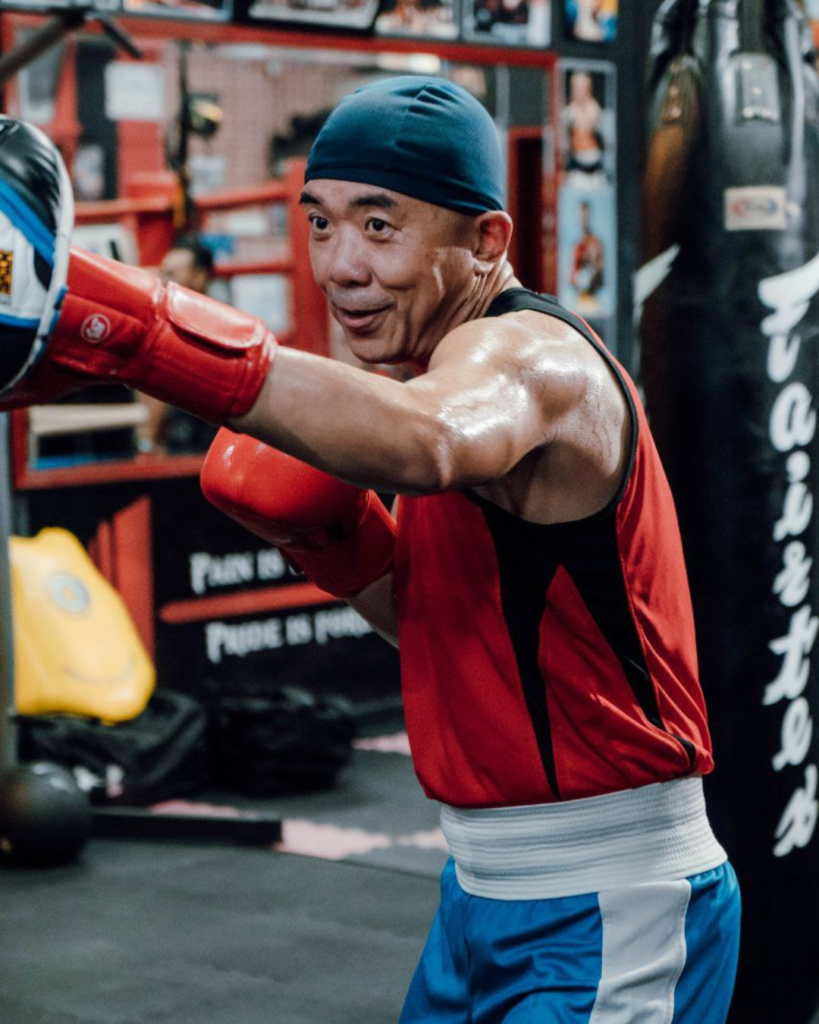
kos trainee jab training
(Image Source: KOS)

“The right hand can take you around the block, but a good jab will take you around the world.” 

The jab is the most important punch in all of combat sports. It is also your longest weapon, operating as a range finder to dictate the fight. It has taken world greats like Muhammad Ali to the top and it could very well help you become a better boxer. 

While the jab is fairly easy to execute, it is extremely difficult to master. Start by focusing on these fundamentals: 

  • Snap your jab as you throw and turn your fist over at the end. This can increase your reach and add more damage to your punch. 
  • Power comes from your legs so remember to step in with your lead leg when you throw your jab. 
  • Keep your backhand close to your chin as you jab and bring your jab hand right back to your chin as you retract. 
  • Flared elbows are a common mistake when jabbing. Keep your elbows tucked and remember to throw your jab in a straight line. 
  • Remember to stick and move. Don’t just throw your jab in a stationary position, but try and move around as you throw it. 


2. Train Your Opposite Stance
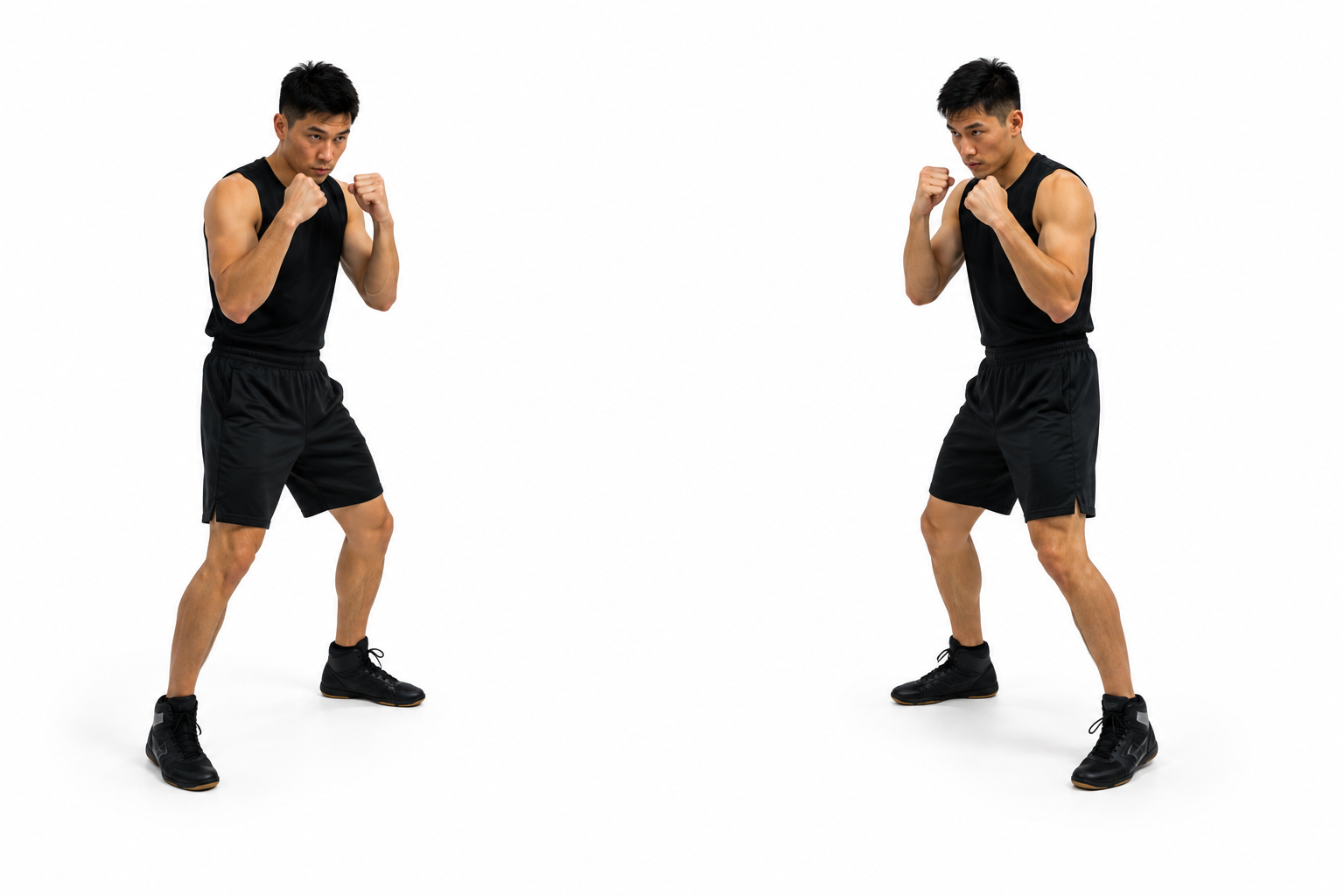
opposite stance training
(image source: Ai Generated)

Boxers like Terrence Crawford and Marvin Hagler are known for their switch-hitting abilities. This is when a fighter can comfortably fight in both stances. They do this to give different looks to their opponents and open up new targets. 

Coaches will rarely encourage beginners to switch-hit and rightfully so. Beginners should always build a strong foundation in their natural stance first—but that doesn’t mean you can’t dedicate a round or two to fighting in the opposite stance. 

In fact, practising your weaker stance can improve certain aspects of your natural stance. You’ll develop better balance, coordination, and footwork while strengthening your non-dominant side. 

This might even come in handy during situations where you’re forced to switch stances due to injury. Start by spending a round or two shadowboxing, hitting the heavy bag, or drilling basic punches from your weaker side. 

As you become more comfortable, you’ll likely notice improvements in your overall boxing IQ. You’ll also learn how to break down opponents in both southpaw and orthodox stances. 


3. Feint More 

(Credit to: Sky Sports Boxing)

4. Hit and Don’t Get Hit (Defence)

(Credit to: Oracle Boxing)

“Float like a butterfly, sting like a bee. His hands can’t hit what his eyes can’t see” 

Boxing is about dishing damage while avoiding it—to hit and not get hit. Most people can throw a punch, but knowing how to defend yourself is actually harder. There are three main pillars when it comes to boxing defence: 

  • Footwork: Footwork is the first line of defence when it comes to boxing. It helps you move out of the way to avoid a punch or move into your opponent to land your own. 
  • Hands: Hands help you block punches to the head and body. They are primarily used for standard blocking (high guard) but they can also be used to parry or catch punches. This is commonly known as the second line of defence. 
  • Head Movement: Head movement involves using slips, rolls, and pull backs to evade punches. Boxers like Pernell Whitaker and Canelo Alvarez were known for their head movement ability. This form of defence is the hardest to master. 

By incorporating defence into your training, you naturally become more adept at avoiding punches while creating opportunities to counterattack. The best time to practise defence is while you shadowbox. 

You can easily work on each pillar by visualising an opponent throwing punches at you. Slip a jab, roll under a hook, take a step back from a cross, or block and counter with a combination as you move around your invisible opponent. 


5. Practise Rhythmic Breathing 

(Credit to: expertboxing)


Rhythmic breathing is the process of exerting correctly when you punch. This is where boxers make sharp sounds like “tss” or “ish”. It may sound funny at first, but this actually helps boxers maximise power and maintain stamina. 

Beginners may not see the importance of this, but boxers who are serious about competing should definitely work on rhythmic breathing. Start by exhaling sharply every time you throw a punch. You can do this when you shadowbox, hit the bag, or spar. 

Avoid holding your breath while throwing combinations. This causes your muscles to tense and you will fatigue quicker. As you slowly become comfortable with this process, you will naturally find yourself punching harder and faster. 

Some boxers even develop their own special sounds! 


6. Learn Different Styles

(Credit to: Unbeaten Combat and Unbeaten Sport)
“Empty your mind, be formless, shapeless — like water.”

From outside fighters to sluggers, there are many different styles in boxing. Boxers like Shakur Stevenson are known for their outside fighting ability. Veterans like Mike Tyson were renowned for their high-octane, aggressive fighting style. 

Then you have all rounders like Andre Ward and Terrence Crawford, known for their versatile boxing. Each style has its own advantages and disadvantages—which means learning and training different styles can tell you a lot about your opponent. 

There are four main styles when it comes to boxing: 

  • Outside Fighter: Outside fighters are pure boxers. They play the game as it should be played, sticking opponents with the end of their jab while moving around. 

Tall, lengthy boxers usually adopt this style as they can manage distance better and get away from their opponents. Famous outside fighters include Thomas Hearns, Muhammad Ali, and Wladimir Klitschko.

  • Inside Fighter: The inside fighter is the complete opposite of the outside fighter. These boxers look to get in close so they can land heavy hooks and uppercuts to the body and head. 

They are usually shorter, stocky fighters who can easily generate power from the ground up. Famous inside fighters include Rocky Marciano, Joe Frazier, and Roberto Duran. 

  • Slugger: The slugger or brawler is a boxer who lacks technique and finesse, but makes up for it with punching power. While they share many similarities with the inside fighter, the slugger usually relies on raw, single-punch knockout power. 

Famous sluggers include Mike Tyson, George Foreman, and Arturo Gatti. 

  • Boxer-Puncher: The boxer-puncher is a fighter who can do it all. They can fight on the outside, inside, and they usually have the ability to counter-punch. Famous boxer-punchers include Canelo Alvarez, Andre Ward, and Terrence Crawford. 


While your focus should be on your main style, learning different styles can make you a complete boxer. 

No matter how far you are into your boxing journey, progress never really stops. That said, these boxing training tips only scratch the surface when it comes to becoming a complete boxer. You can learn so much more, especially when you have a coach guiding you. 

So whether you’re a beginner starting out or an experienced fighter, don’t be afraid to take your training into the gym—because that’s where you’ll learn the most! 

Visit kosboxingym.sg or check out our schedule to find out more! 
A Boxer’s Guide to Recovery: Balancing Strength and Rest

The Holistic Approach to Recovery: Mental Resilience

Building mental resilience is crucial in boxing, where the mental game is as significant as the physical. Implementing strategies like meditation and positive self-talk are essential, but goal setting before training is a game-changer. Setting realistic, incremental goals like “Today, I will complete 50 pushups,” provides a clear target and enhances motivation. These techniques ensure you’re mentally prepared for the challenges ahead, fostering a resilient mindset that thrives under pressure.


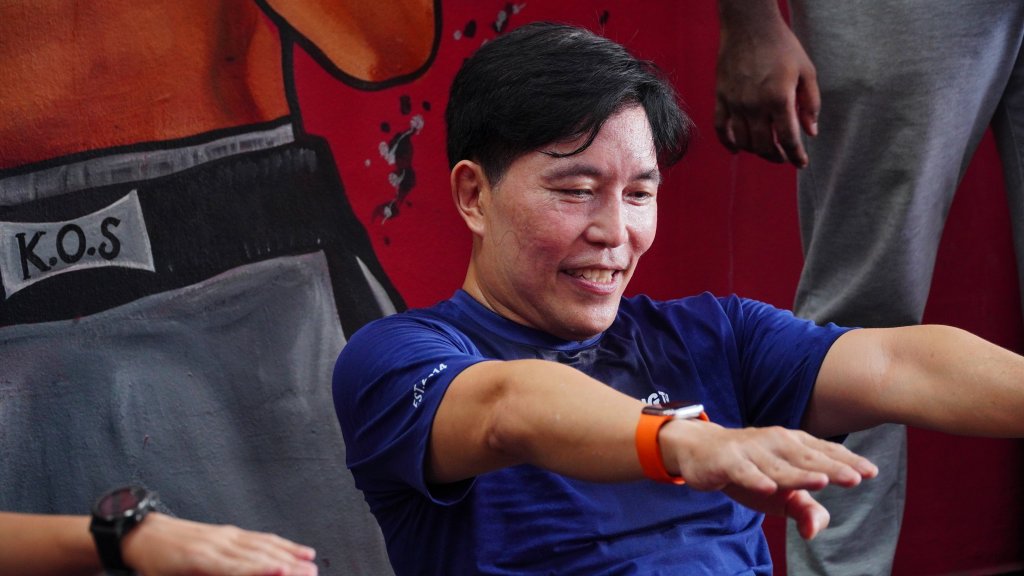
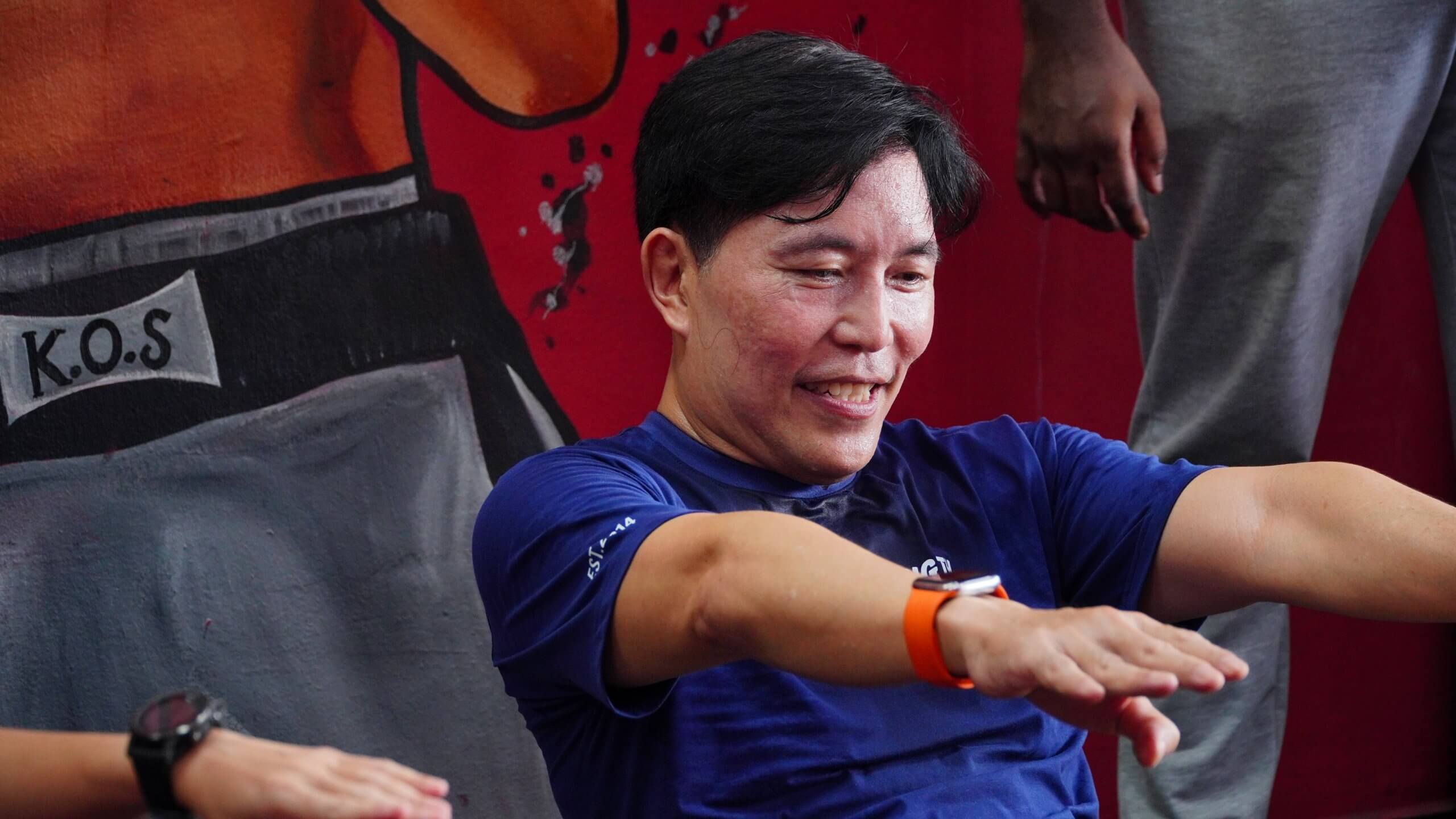
man smiling while performing sit ups at king of strength boxing gym.

Proper Nutrition To Fuel Your Recovery

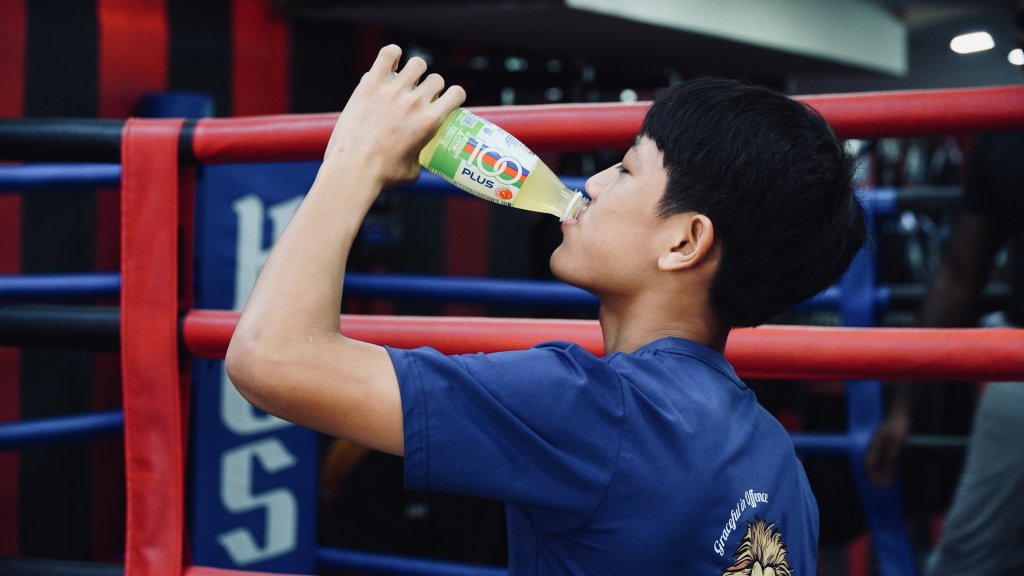
“Proper nutrition is non-negotiable for peak performance,” said Coach Kumar, emphasizing the importance of a well-timed, balanced diet to fuel your body and aid in recovery. Before workouts, ensure you’re energized with a nutritious meal at least 2.5 hours prior. Post-workout, your body’s needs vary; intense sessions demand isotonic drinks to replenish electrolytes, whereas weight training benefits from high-protein meals or shakes for muscle repair. This tailored approach to nutrition and hydration keeps you at your fighting best. Remember, post-workout nutrition, including the right exercise recovery drink, is key to muscle repair.


Young boxer drinking an isotonic drink to stay hydrated during training at King of Strength boxing gym.

The Power of Quality Sleep

Quality sleep is foundational for recovery. It’s the period when your body repairs muscles and your mind processes the day’s learning. Stick to a consistent sleep schedule, aiming for a set bedtime within a one-hour window nightly. Ensure your last meal is at least 3 hours before bed to allow proper digestion and avoid screens an hour before sleep to prevent stimulating your mind. Following these practices ensures you wake up refreshed and ready for the next round. Understanding why sleep is important and how it impacts exercise recovery can significantly improve performance.


Injury Prevention and Management: Staying in the Game

Injury prevention is integral to sustained progress in boxing. Planning your workouts with a focus on conditioning and listening to your body can significantly reduce the risk of injury. Key strategies include:

  • Workout Planning: Design your training sessions to accommodate vulnerable areas, ensuring muscles aren’t overworked. Incorporating rest days and varied intensity levels helps prevent burnout and injury. Understanding common boxing injuries, such as those to the hand, shoulder, and head, can guide you in avoiding them.
  • Proper Nutrition: Fuel your recovery with a diet rich in proteins and nutrients, essential for muscle repair and resilience. Pre and post-workout nutrition is critical in preventing injuries and aiding in faster recovery.
  • Professional Guidance: Especially for beginners, coaching on form and technique is invaluable. A seasoned eye can prevent common mistakes that lead to injury.

Should injuries occur, a balanced approach to recovery—combining rest, gradual rehabilitation, and professional advice—ensures a stronger comeback.

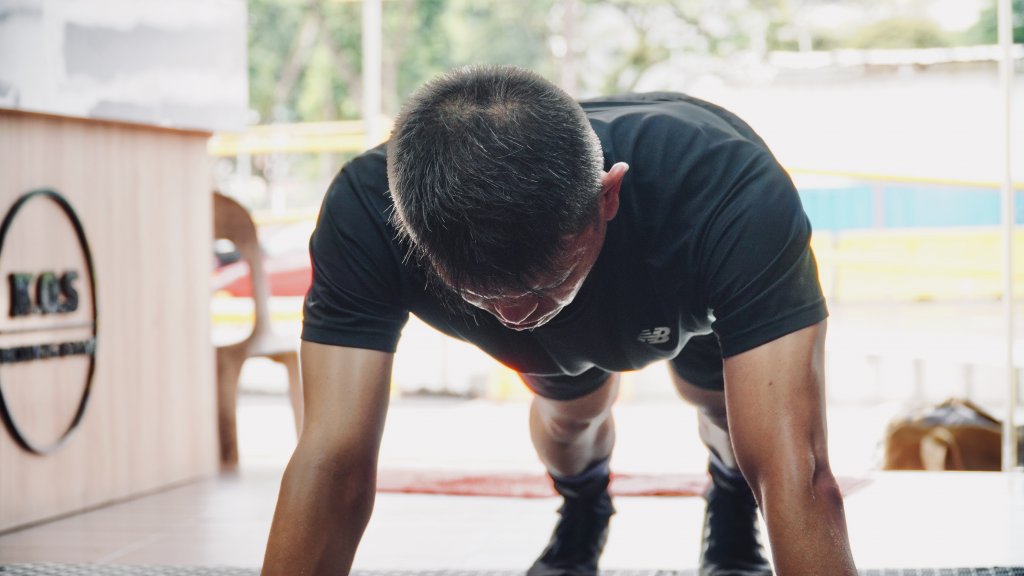
Man performing push-ups at boxing gym, with good posture and form emphasizing strength training and injury prevention.


Embracing Boxing as a Lifestyle

“Boxing is not just about the physical aspect, it truly shapes your body, hones your mind, and fortifies your spirit,” Coach Kumar remarks. He stresses that boxing teaches respect, perseverance, and humility—virtues that extend far beyond the gym. Learning how to box properly and understanding the muscles and the form used in boxing are crucial for your own fitness journey. This journey integrates boxing into your lifestyle, ensuring that every punch is not merely a physical act, but a step toward personal growth.


Crafting Your Recovery Path

Recovery is integral to your boxing journey, preparing you for the next fight and the challenges beyond. Every boxer’s recovery needs are unique. With insights from experienced coaches and the support of your gym community, you can tailor a recovery plan that aligns with your goals. Whether it’s refining your diet, optimizing your sleep habits, or recovering from an injury, the expertise of fellow coaches, and advice from fellow boxers will be invaluable.


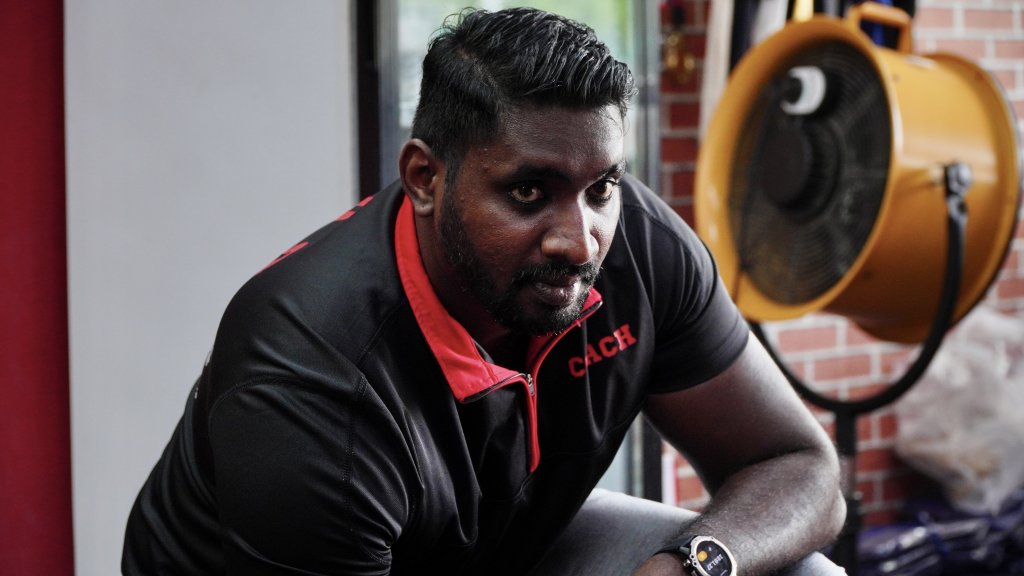
Boxing coach at King of Strength gym, monitor and guiding fellow boxing gym goers


Feel The Power of The Boxing Community

At King of Strength, the boxing gym is a community, a place where bonds are formed through shared sweat and ambition. This collective spirit supports your recovery journey, offering motivation, advice, and camaraderie. Embracing this community enriches your boxing experience, providing a network of support that champions every member’s growth. Grab your boxing gloves, step into recovery with confidence, and embrace every day as an opportunity to advance on your own boxing journey.


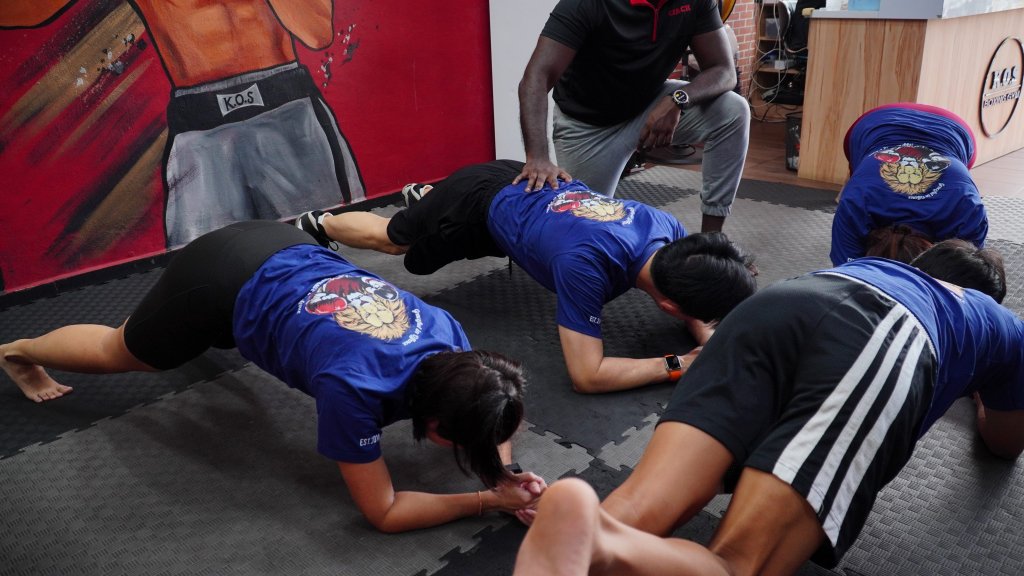
Group of people performing plank exercises under the supervision of a coach at King of Strength boxing gym.


Ready to experience the power of our King of Strength boxing community firsthand? Sign up for a free trial class today and discover how boxing can transform your body, mind, and spirit. Click here to book your free trial and start your journey with us!


Unlock Your $500 Gold: Your Ultimate IPPT Success Blueprint

Weeks 5-12: Continue to increase the duration of exercise while increasing the number of sets done per workout!


INTERVAL TRAINING


Interval Training: Build Stamina and Boost Endurance
Embrace the challenge of interval training – a path to boosting your stamina and endurance over weeks.


Weeks 1-3: Run for 30 Seconds, then jog/ walk for 30 Seconds to build your stamina
Weeks 4-12: Continually increase the duration of the intervals to challenge yourself and increase your stamina


LONG RUNS


Aerobic Base Building Through Long Runs
Lace up and hit the road! These long runs are designed to enhance your aerobic base and beat your previous timings.


Weeks 1-12: Start slow to build your aerobic base. However, you should continuously try to beat your previous run’s timing. Build your muscle memory by going on a long run at least twice a week!

Tip: Don’t forget to consume more carbohydrates in the 2 days leading up to your test to load up on fuel for your body. 

You did it! You’ve reached the finish line of your IPPT journey, and that $500 incentive is within your grasp. We at King of Strength are truly proud of your dedication and hard work. Now, it’s time to take that next step and schedule your IPPT. Head over to our Schedule + Rates page to book your slot and get closer to cinching that gold.

Remember, your success is our success, and we can’t wait to hear about your incredible achievements. Share your results with us on Instagram @/kingofstrength, and don’t forget to join us in class to maintain your newfound strength and vitality. Keep up the fantastic work!


KOS Students in Strength and Conditioning Class
Our dedicated students thriving in the Strength and Conditioning class, putting in the hard work.

Let’s face it, the idea of an extra $500 sounds pretty appealing, doesn’t it? We get it – the IPPT may not be your favorite thing in the world, but trust us, that cash incentive can work wonders as motivation.

The path to acing your IPPT isn’t a walk in the park, but remember, nothing truly rewarding ever is. So, if you’re doubting yourself or unsure where to begin, relax, we’ve got your back! Before diving into your training program, it’s essential to gauge your starting point to steadily improve your reps and timing.

And when in doubt, lean on our friendly coaches for guidance. They’re here to help you tailor a workout plan that suits your fitness level and propels you toward your maximum capabilities. Curious? Keep reading to unlock the ultimate IPPT success blueprint and make that $500 your reality!


THE TRAINING PLAN

Always begin your workouts with stretches and warm-ups. A simple warm-up like the ones you do before every class at KOS is sufficient. This helps lessen the chances of injury.


3-Day Workout Plan: Push-Ups, Long Runs, and Core Training for IPPT
Get ready for a dynamic 3-day workout routine tailored for IPPT success – featuring push-ups, a 2.4 km run, and core training!


3 Days workout:

Day 1: Build muscle for push-ups (Functional King class)

Day 2: Long Run for 2.4

Day 3: Core workout for sit-ups (HardCore class) and interval Training

Day 4: Rest and Repeat

Don’t forget your rest days! They are just as important as your workouts. Letting your muscles rest and recover properly allows you to train at a higher intensity. 

Protip: plan your rest days before and after your long runs! 


CORE & PUSH-UPS

Similarly to our classes, the exercises should be done in a circuit.


Push-Ups and Core Exercise: From 30 Seconds to 1 Minute Sets
The gradual progression from 30-second sets to one-minute sets as part of your IPPT journey


Week 1: Start out with 3-5 sets of 30 Seconds per exercise. 

Weeks 2-4: Progressively increase the intensity of each exercise by increasing the duration from 30 Seconds to 1 Minute.

Weeks 5-12: Continue to increase the duration of exercise while increasing the number of sets done per workout!


INTERVAL TRAINING


Interval Training: Build Stamina and Boost Endurance
Embrace the challenge of interval training – a path to boosting your stamina and endurance over weeks.


Weeks 1-3: Run for 30 Seconds, then jog/ walk for 30 Seconds to build your stamina
Weeks 4-12: Continually increase the duration of the intervals to challenge yourself and increase your stamina


LONG RUNS


Aerobic Base Building Through Long Runs
Lace up and hit the road! These long runs are designed to enhance your aerobic base and beat your previous timings.


Weeks 1-12: Start slow to build your aerobic base. However, you should continuously try to beat your previous run’s timing. Build your muscle memory by going on a long run at least twice a week!

Tip: Don’t forget to consume more carbohydrates in the 2 days leading up to your test to load up on fuel for your body. 

You did it! You’ve reached the finish line of your IPPT journey, and that $500 incentive is within your grasp. We at King of Strength are truly proud of your dedication and hard work. Now, it’s time to take that next step and schedule your IPPT. Head over to our Schedule + Rates page to book your slot and get closer to cinching that gold.

Remember, your success is our success, and we can’t wait to hear about your incredible achievements. Share your results with us on Instagram @/kingofstrength, and don’t forget to join us in class to maintain your newfound strength and vitality. Keep up the fantastic work!


KOS Students in Strength and Conditioning Class
Our dedicated students thriving in the Strength and Conditioning class, putting in the hard work.

Three ways to improve your Boxing Speed

Unleash Your Boxing Speed

Curious about how to amp up your boxing speed? You’re not alone. Coach Krishna here, and I’ve got three killer methods that’ll have you punching like lightning. Say goodbye to sluggish jabs and hello to lightning-fast strikes. Let’s dive in and supercharge your boxing game!

Here are three easy ways:

1. Proper Technique

2. Think about going fast

3. Exercise


PROPER TECHNIQUES

Boxing Routine Progression: Step-by-Step Visual Guide to Enhance Your Speed and Technique.

More than having high power or many knock-outs (KOs), you need to execute proper techniques. If your techniques are not proper, it is going to slow the whole process. Common mistake is to pull back and load your punch before releasing it. To work on this, release all punches that will be thrown from your chin with elbows tucked close to your body. This way, speed on the punches will improve.


THINK ABOUT SPEED

Mental Focus for Speed: Visualize Going Fast.

Keep telling yourself you want to go fast, punch fast, hit fast, without compromising your techniques. IT STILL COMES DOWN TO THE FIRST POINT. There is no point in throwing fast punches if you are going to be sloppy. Think of it like training with weights. When you train with weights daily, you’ll improve your strength. And with time, you will be able to lift heavier weights.
So, constantly think about speed when you do your training. Be it shadowing, pad work, bags, buddy-drills or even sparring!!! It is about being conscious on what you do and intensively working on it.


EXERCISE


• Weighted Punches

Enhance Speed with Weighted Punches: Illustration.

One way to increase your speed, is to pick up a light weight to add resistance to your punches. It can be around 1 to 3kg, depending on your fitness level. The idea is to throw punches with weights in each hand, increasing the difficulty and stimulating the muscles involved. Weighted punches are a great way to improve speed and you’ll definitely start to see improvements.
Try the various punches (jabs, straights, hooks, and uppercuts) with speed and power with every rep. Complete a couple of rounds, drop the weights and shadowbox as per usual.


• Speed Bag Drills

Mastering Speed Bag Drills: Illustrated Guide.

Speed bag is another way to work your hands and improve speed. It might take some practice, but once you get the hang of it, trust me you’ll be addicted. After getting the rhythm and pace, try to punch the speed bag as fast as you can. These drills improve your hand-eye coordination, momentum, timing and punch accuracy. It is honestly one of the best ways to improve your speed.


• Jump Ropes

Boost Speed with Jump Rope: Illustrated Workout.

Jumping rope helps to develop the muscle group for fast punches, particularly the fast-twitch muscle fiber in your upper back and shoulders. Try gradually increasing the speed when you jump. It is important because it trains all the necessary muscles to work faster than normal. To gain speed, you have to think of speed. Jumping rope also improves overall endurance. It is a skill that requires practice, so don’t get discouraged if you do not get the hang of it right away. With constant practice you will be able to improve your speed and develop this skill.


These are the ways which helped me and I hope it helps you too. Master lightning speed and impeccable technique. Embrace proper form, mental agility, and strategic exercises to boost your boxing finesse. Ready to enhance your skills? Join us now – check our Schedule and Rates

Signing off with a fist bump,

Coach Krishna (:

Dumbbell Biceps Curl: The Ultimate Exercise

Unlock Sleeve-Popping Biceps: The Ultimate Biceps Building Exercise

Hey there, fitness enthusiasts!

Let’s dive into the world of biceps today – those eye-catching, attention-grabbing muscles! If you’re anything like me, starting out with skinny arms, you know the biceps can make a world of difference when you put on that favorite t-shirt. With a multitude of bicep exercises to choose from, it’s easy to get overwhelmed. But fear not!

In this article, we’re focusing on the most time-tested and straightforward bicep exercise that’s been proven effective over the years. So, let’s cut through the noise and get to the basics of building those impressive biceps!

The Dumbbell Biceps Curl

Few key pointers to take note of while doing this exercise:

1) Select the right weight
Heavier doesn’t mean better. You can choose a lightweight yet still build up muscle if you do it right.

2) No swinging action
You should lift the weight with muscles, not using momentum. (If you’re swinging while doing this exercise, time to re-read point 1. Lower the weight.)

3) Breathing Technique
You should breathe out when you’re lifting up the weight and inhale while lowering the weight. (This is going to be tough the first time, but keep practicing you’ll definitely get it!)

Keep those biceps gains coming and remember, your journey to stronger, more defined arms is all about consistency and the right approach. If you have any questions about bicep training or want to explore workout schedules and rates, head over to our Schedule + Rates page. We’re here to support your fitness goals every step of the way.

Leave your thoughts or queries in the comments below – we’d love to hear from you as you embark on this exciting fitness adventure!

Coach Kumar flexing biceps like Superman
Coach Kumar showcasing his bicep strength with a Superman pose.


Signing off with a flex,
Coach Kumar

Exploring Alternatives: When Skipping Isn’t an Option

Unlocking a Game-Changing Warm-Up Alternative for Boxing: No More Skipping!

Hey there, fitness enthusiasts!

I hope you’re all in great spirits and keeping up with your training. Today, I’ve got a game-changing insight to share with you. When I first ventured into the world of boxing, just like many of you, I was instructed to incorporate skipping into my warm-up routine. But here’s the kicker – I could barely manage a single skip! Frustration was starting to creep in, until one day, a wise coach pulled me aside and introduced me to a remarkable alternative.

Check out our YouTube video where Coach Kumar demonstrates the stair-stepping exercise and take your training to the next level!


All it takes is a simple flight of stairs, and you’ve got the perfect alternative to skipping. Whether you’re without a skipping rope or simply find it challenging, this stair-stepping exercise is your ticket to a fantastic cardio workout and that satisfying leg burn you’ve been craving. No fancy equipment needed – just you, some stairs, and determination.

Ready to give it a shot? Head over to our Schedule + Rates page and let’s keep this fitness journey rolling!

Cheers,
Head Coach Kumar

Never Skip This: Skipping Rope

The Essential Boxing Workout Tool: Jumpstart Your Fitness with the Power of the Skipping Rope!

Welcome to the world of boxing, where the simplest tools often yield the greatest results. If you’ve ever watched a boxing movie or stepped foot in a gym, you’ll know that one piece of equipment is as ubiquitous as a boxer’s gloves – the skipping rope, also known as the jump rope.

It’s not just affordable; it’s a must-have in the world of boxing. This unassuming piece of gear, a staple from our childhood, holds the secret to enhancing agility, boosting endurance, and shedding those extra pounds.

Young girl confidently skipping rope at KOS gym
A young athlete mastering her skipping rope skills at KOS gym.


1) Boosts Your Stamina

Think of skipping as your personal stamina meter. If you find yourself running out of steam after just a minute of skipping, consider it your starting point. You can even craft a simple home workout using your trusty skipping rope, experimenting with various skipping styles. Competitive boxers swear by this underrated tool! You can see different skipping styles in the video below.

Variety of skipping rope types, thick and thin, messily hung on a bar.
A collection of different skipping rope styles, ready for action.


2) Enhances Footwork and Movement in the ring

Struggling to stay light on your toes? Feeling sluggish compared to your ring opponent? Grab a skipping rope without delay! Skipping sharpens your mental and physical ability to stay nimble on your toes. If you can skip rope continuously, you’ll have no trouble staying light-footed and agile. It works wonders on muscles, especially your calves, ensuring you don’t stand still in the ring. And let’s not forget the coordination it hones!

Side view of a person jumping rope with precision
Perfecting agility and endurance through precise rope jumping.


3) Torch Those Calories!

Skipping isn’t just for sports; it’s a calorie-burning powerhouse! Did you know that a mere minute of skipping can torch 10-20 calories? Now, picture the calorie-blasting potential of a 30-minute skipping session! Still skeptical? Try skipping for 30 minutes daily for a week, and you’ll witness the remarkable difference. That’s the incredible power packed into that seemingly unassuming rope!

So, as you lace up your gloves and step into the ring, remember the humble skipping rope – your trusty companion on this boxing journey. From movie scenes to gym routines, it’s stood the test of time, proving its worth. Boxers rely on it for warming up, cooling down, and even shedding those last few kilos before a weigh-in. Don’t underestimate its power. Embrace the skipping rope, and you’ll see the difference it can make in your boxing performance.

Ready to take the leap? Check out our Schedule + Rates page to incorporate this incredible tool into your training regimen today.

Signing off with a fist bump,
Coach Kumar

The Power Of Shadow Boxing

The Power of Shadow Boxing: Why It’s Essential in Combat Sports Training

Hey Everyone!

Today, we dive deep into a term that resonates not just in the world of boxing, but also in kickboxing, MMA, and Muay Thai – Shadow Boxing. It’s a phrase echoed in gyms worldwide, and if you’ve trained at KOS, you know I never skip a session without it.

But what’s the big deal, you ask? Why dedicate time to shadow boxing when there are modern equipment, coaches, and various drills at your disposal? Some might roll their eyes at the mere mention of it, but trust me, this post will shed light on the incredible power concealed within Shadow Boxing. So, join me on this journey as we unravel its secrets and unlock your full potential!


Diverse group of students passionately engaged in shadow boxing during training.
Dedicated students honing their shadow boxing skills with precision.


1) Perfect Exercise to help you warm up or cool-down

Shadow Boxing is an effective warm-up exercise that offers benefits not only to the body but also to the mind. It allows individuals to apply and reinforce previously learned techniques, while also promoting movement and engaging in punches that mirror the actual sport. As a warm-up option, it stands out from mere running routines.

In addition, shadow boxing can also serve as a cooling-down activity. This time, it provides a more relaxed experience for both muscles and the mind. Rather than executing fast-paced, forceful punches, it can be approached as a way to refresh and refine one’s skills. By practicing and executing movements at a slower pace, individuals can focus on specific details or nuances they encountered during the training session.


Female students showcasing their shadow boxing prowess with focus.
Empowered women in our gym mastering the art of shadow boxing


2) Improves Flow

One common issue many beginners face, let it be bag drills or sparring, stopping with one or two punches. Put simply, there seems to be a lack of flow in the different actions. The reason is, that there is no muscle memory of connecting a flow of punches. To overcome this, simply engage in shadow boxing, since there are no obstacles in the way of your punch, you can add in a few more punches to make it flow smoothly.


3) Creates Visualization

Similar to chess, in boxing, you improve when you visualize ahead. Visualizing ahead allows you to plan on what you should and what you shouldn’t be doing. Shadow boxing forces you to think of possible scenarios, which leads to correct follow-ups.

You can also try to adapt to new fighting styles with your Shadow Boxing Drills. For instance, you know that your opponent is a southpaw, therefore, there will be a few adaptations to take note such as where you move, what punches to throw, and even the entire game plan. Add those changes and practice it during your Shadow Boxing.


Students immersed in intense shadow boxing practice, giving it their all.
Intensive shadow boxing sessions: We push our limits to reach new heights.


4) Enhance Movements

Everyone learns how to throw a Jab, however, it is through continuous practice that one can refine and strengthen their technique. Shadow boxing exercises not only improve overall movement but also assists in refining crucial aspects such as head movement, punch execution, and footwork.  While you are shadow boxing, you’ll know what works for you and what doesn’t. Focus on what works for you and make that your strength. In short, Shadow Boxing is a great technique developer!


5) Lifetime Exercise

As time goes on, there could be some reasons that may make you want to hold back from punching the bag because it can be a bit hard on your body. Age might stop you from participating in sparring, but you can always keep doing Shadow Boxing no matter how old you are. It won’t hurt you or cause any injuries if you do it correctly. Plus, it’s a great way to get some cardio in!


Students practicing dodging techniques with dedication and determination.
Students practice dodging techniques with dedication and determination.


At King of Strength Boxing Gym, Shadow Boxing is more than just a warm-up; it’s a cornerstone of our training philosophy. It’s a ritual embedded in our training plan that shapes not only our fighters but also our community. Our competitive boxers swear by it, using it to mentally prepare for their fights. The shadow boxing experience allows them to visualize the venue, the energy of the crowd, the ring, and even their opponent, fostering a unique confidence before stepping into the real fight.


Check out our Schedule + Rates page and join us for a session soon – we can’t wait to see you in action and guide you through your boxing journey.

Signing off,
Coach Kumar

The Importance Of Correct Technique

Maximizing Success Through Technique: The Key to Skill Mastery in Sports and Beyond

Welcome back, everyone!

Have you ever pondered the legendary wisdom of Bruce Lee and his famous quote, ‘I fear not the man who has practiced 10,000 kicks once, but I fear the man who has practiced one kick 10,000 times’? It’s a saying that’s etched in my memory and guided me through countless training sessions.


Inspirational Bruce Lee Quote: 'I fear not the man who has practiced 10,000 kicks once, but I fear the man who has practiced one kick 10,000 times.
Bruce Lee’s timeless wisdom sets the tone for our sports journey.


If you’ve ever wondered when you’ll move on to the next big thing in your training, you’re not alone. I’ve been there too, questioning my coach silently. But here’s the secret that coaches across all sports will tell you: ‘Master what you’ve learned first.’ In this article, we’re diving deep into the essential world of correct technique, a fundamental key to your sports journey’s success. Let’s unlock the secrets together!


Coach Karthick mentoring a young boxer during training.
Coach Karthick leading the way for our aspiring young champions.


Similar to everyone, my first boxing training was about footwork. My Coach, T Balasundram from U2Can Boxing Gym, taught me the right stance in boxing and explained how important footwork is in boxing. After correcting me, he put me in front of a mirror to practice my movements.


Coach Kumar demonstrating dodging techniques with a dedicated female boxer.
Coach Kumar and our talented boxer working on defensive skills.


The same drill went on for WEEKS (Almost 2 months if I remember correctly)! I had to report to training, warm up, circuit program, and then practice my movements in front of the mirror. Back then, being a 13-year-old teenager, I was frustrated. I am in boxing, but have not learned my punches yet, I even had a thought to stop attending the training. That’s when my coach came and told me my footwork had improved and taught me my first few punches.

Throughout my boxing journey, I’ve been confident & proud of my footwork. Thanks to my coach and those ‘boring’ sessions in front of the mirror. When I was practicing, I didn’t realize the power of it, but it was a ‘Muscle-Memory’ training that helped me till now. I’ve stopped training for about 5 years, but whatever I’ve learned and trained is stored in my ‘Muscle Memory’. That’s the importance of correct technique!


Coach guiding a young boxer through training drills.
Building a strong foundation in our young athletes with expert coaching.

In the end, my journey has shown me that mastering the fundamentals, just like Bruce Lee’s wisdom suggests, is the true path to excellence in any sport. So, when you repeat the same drill repeatedly, embrace it as your secret weapon for success.

Remember, practice truly does make perfect. If you’re ready to take your training to the next level and explore the world of correct technique, check out our Schedule + Rates page. Let’s make your sports journey extraordinary!


Young girl in pink boxing gloves celebrating with a fist bump.
Fist bump from one of our energetic young athletes!


Signing Off with a Fist Bump,
Head Coach Kumar

Taking a break is a MUST!

Discovering the Power of Breaks: How a Trip to Sydney Helped Me to Recharge in Life and Sports


Hi everyone,

It’s been a while since we caught up, and I’ve got some exciting stories to share. Just returned from a rejuvenating 10-day getaway in Sydney, a trip that was a blend of learning and leisure.

(Will be sharing the photos from the trip here!)

Coach Kumar enjoying a scenic view from the balcony
Taking a moment to unwind and appreciate the view

But you know what struck me most during this journey? The immense importance of taking a breather, not only from our hectic daily lives but also in the realm of sports. So, let’s talk more about why breaks matter, how they can fuel your passion, and why I’m convinced you’ll want to hear more about it.

In the hustle and bustle of Singaporean life, we all find ourselves ensnared in the routine grind. Balancing work, responsibilities, social commitments, and countless other tasks can be an overwhelming juggling act.

This ‘juggling’ process could lead to frustrations at some point of time. That ‘frustration’ would lead to breakdown and obviously affect the quality of life. But how is this related to fitness or boxing?


Active studio session with people participating in boxing routines and sparring
Learning and training with fellow boxers in Sydney


Not only boxing, but all sports out there have this term called burn off phase. Have you seen someone who used to be so good at a particular sport and then perform badly for the event? Have you seen a student studying so hard for a particular exam but not performing during the test? The most common one, have you seen someone been so determined to be starting a fitness regime, posting out what they have trained, what they have for their diet but then stopping everything in a couple of weeks?

That’s called BURN-OUT.


Row of cycling machines in 'Fight Gym' with a fighter mural in the background.
Pedal your way to greatness surrounded by inspiring fighter artwork.

Why does this Burnout take place? 

1) Pushing yourself for a prolonged period

For example, when someone is preparing for their upcoming boxing competition. The back-to-back training could be intense. Due to other commitments, they might not get proper rest. When this continues for a long period, some tend to lose motivation for training. They are looking forward to finishing the training & competition rather than doing well.


2) OVER-Pushing yourself suddenly

Another example is someone who wants to lose weight. They wake up one day and change their entire lifestyle, working out twice daily, having strict meals, counting calories, etc. This is too shocking for the mind. Rather than a goal, it becomes a torture. Eventually, he/she starts to crave unhealthy food and starts cheating on the routine.

Black and white mural depicting two boxers in an intense fight.
Every fight tells a story of determination and grit


So what should I do?

The answer is in the title of this blog: TAKE A BREAK!

Let’s say you have been so strict with your workout regime for the past 5 weeks & have lost 5kg. Take a day off, and have a “CHEAT MEAL”. Something that has been in your mind, something that you have been craving for. This would give you some kind of happiness, satisfaction & of course GUILT. Haha! But it’s really fine, you DESERVE it. It’s just like giving yourself a reward for sticking to the plan. That “Cheat Meal” motivates you to push for another 5 weeks!

Fun Fact: I ate a bowl of Prawn noodles after sticking to a plan for a couple of weeks, and I still remember how happy I felt when I was having that meal.

For those of you guys who have been training for a long period. I advise my competitive boxers to take a complete 1/2 weeks off to give the body & the mind the time to recover completely. Also, when they are back, I ensure I start from a low to moderate intensity rather than continuing from where they left off.

I trust this article has shed light on the importance of rejuvenating breaks and how they can rekindle your motivation. Remember, a well-deserved break doesn’t have to be lengthy – it’s about quality, not quantity. So, take that short breather and let it propel you towards greater heights, both in your sporting journey and in life. If you’re eager to dive into our schedules and rates for a tailored experience, head over to our Schedule + Rates page to explore what we offer. Here’s to your success, both on and off the field!

Cheers to thriving,

Head-Coach Kumar

Coach Kumar in the HDB lobby after his rejuvenating trip
Back home and recharged after a memorable journey