KOS

Heavy Bag vs Speed Bag: What You Need To Know

If you are new to boxing, you’ve probably noticed 2 pieces of equipment that appear in almost every gym. The heavy bag and speed bag. While they may seem similar at first glance, each serves a unique purpose and helps develop different boxing  skills.

At King Of Strength Boxing Gym, we incorporate both heavy-bag and speed-bag training into our classes because they complement one another. Whether your goal is to improve fitness, learn self-defence, lose weight, or become a better boxer, understanding the role of each can help you get the most out of your training.


What Is a Heavy-Bag?

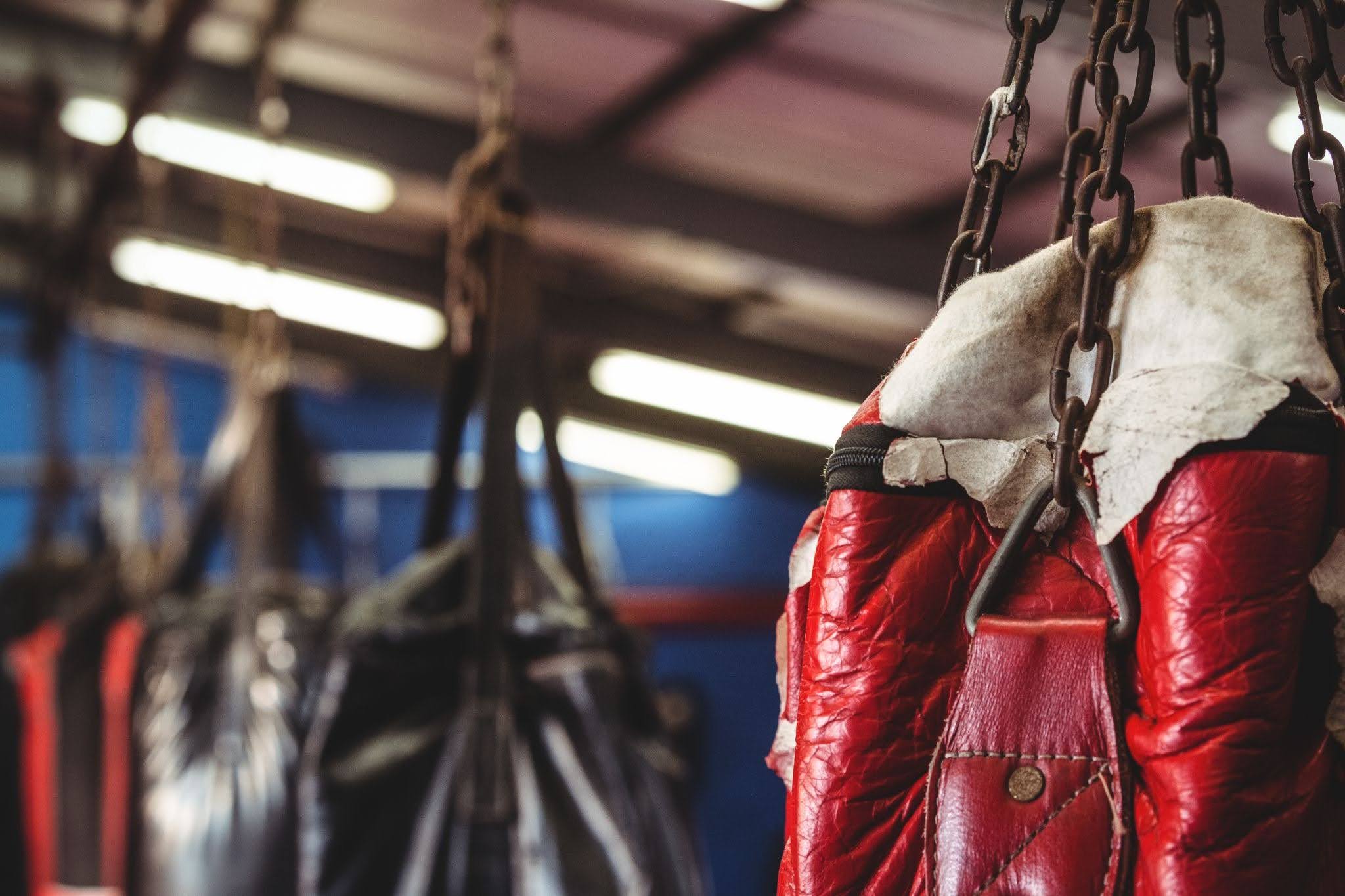
A heavy bag is a large, weighted punching bag that is designed to withstand powerful strikes. It is one of the most fundamental training tools in boxing and  is often where beginners start learning proper punching techniques.

Heavy bags typically weigh between 18 kg and 45 kg+ and allow boxers to throw punches with full power while practicing combinations, movement, and defensive skills.


Benefits of Heavy Punching Bag Training

  • Builds Punching Power
    The main benefit of training with the heavy bag is the development of significant impact power. The bag’s inherent resistance teaches you to effectively channel force from your lower body and torso directly into every strike.
  • Improves Technique
    Heavy bag sessions allow you to focus on proper stance, footwork, balance, and punch execution. Repetition helps reinforce good habits and build muscle memory.
  • Enhances Conditioning
    Working rounds on the heavy bag is physically demanding. It challenges your cardiovascular system while strengthening your shoulders, arms, core, and lower body.
  • Develops Combination Skills
    The heavy bag is an excellent tool for practicing punch combinations. You can work on everything from basic one-two combinations to more advanced offensive and defensive sequences.


What Is a Speed Bag?

A speed bag is a smaller, air-filled bag mounted beneath a rebound platform. Unlike the heavy bag, it isn’t designed for power. Instead, it focuses on timing, rhythm, coordination, and speed.

The speed bag rebounds quickly after every strike, requiring consistent rhythm and precision to keep it moving smoothly.


Benefits of Speed Bag Training

  • Improves Hand-Eye Coordination
    The speed bag demands accuracy and concentration. As you learn to keep the bag moving, your hand-eye coordination naturally improves.
  • Increases Hand Speed
    Because speed bag training involves rapid, repetitive movements, it helps develop quicker hands and faster reactions.
  • Builds Rhythm and Timing
    Timing is a critical skill in boxing. The speed bag teaches boxers how to maintain a steady rhythm, which can translate into better movement and punch timing during sparring.
  • Strengthens Shoulder Endurance
    Speed bag workouts place continuous demand on the shoulders and arms, helping fighters maintain proper form even during longer training sessions.


Heavy Bag vs Speed Bag: What’s The Difference?

Although both are valuable boxing tools, they focus on different aspects of training.

Heavy bag Speed Bag
Develops punching power Develops hand speed
Improves conditioning Improves coordination
Reinforces technique Enhances timing and rhythm
Suitable for beginners Requires more practice
Allows full-power punches Uses light, controlled strikes

Think of it this way:

  • The heavy bag helps you hit harder.
  • The speed bag helps you move faster.
  • The heavy bag builds strength and endurance.
  • The speed bag sharpens coordination and precision.

Rather than choosing one over the other, most boxers benefit from incorporating both into their training routine.


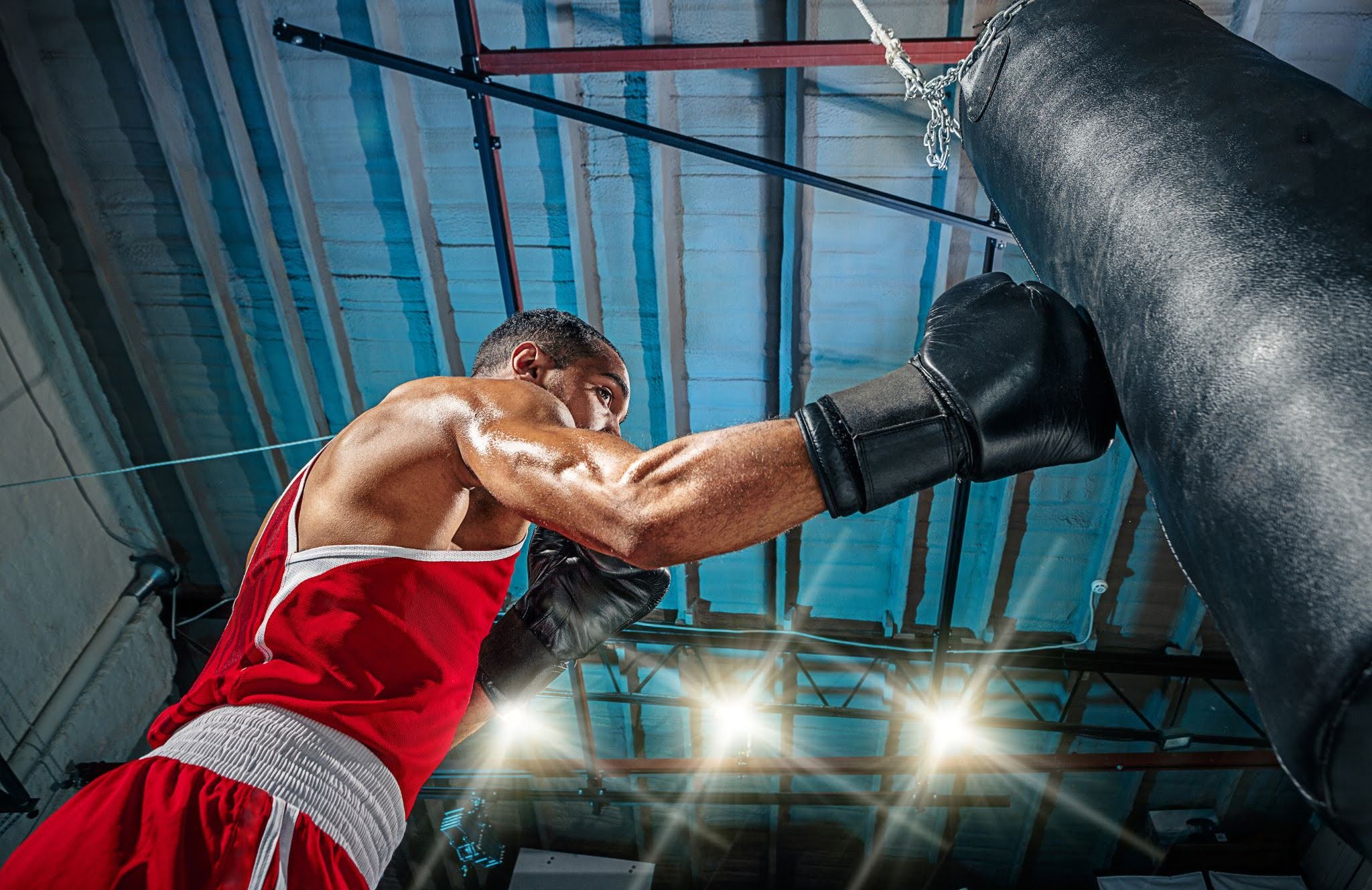
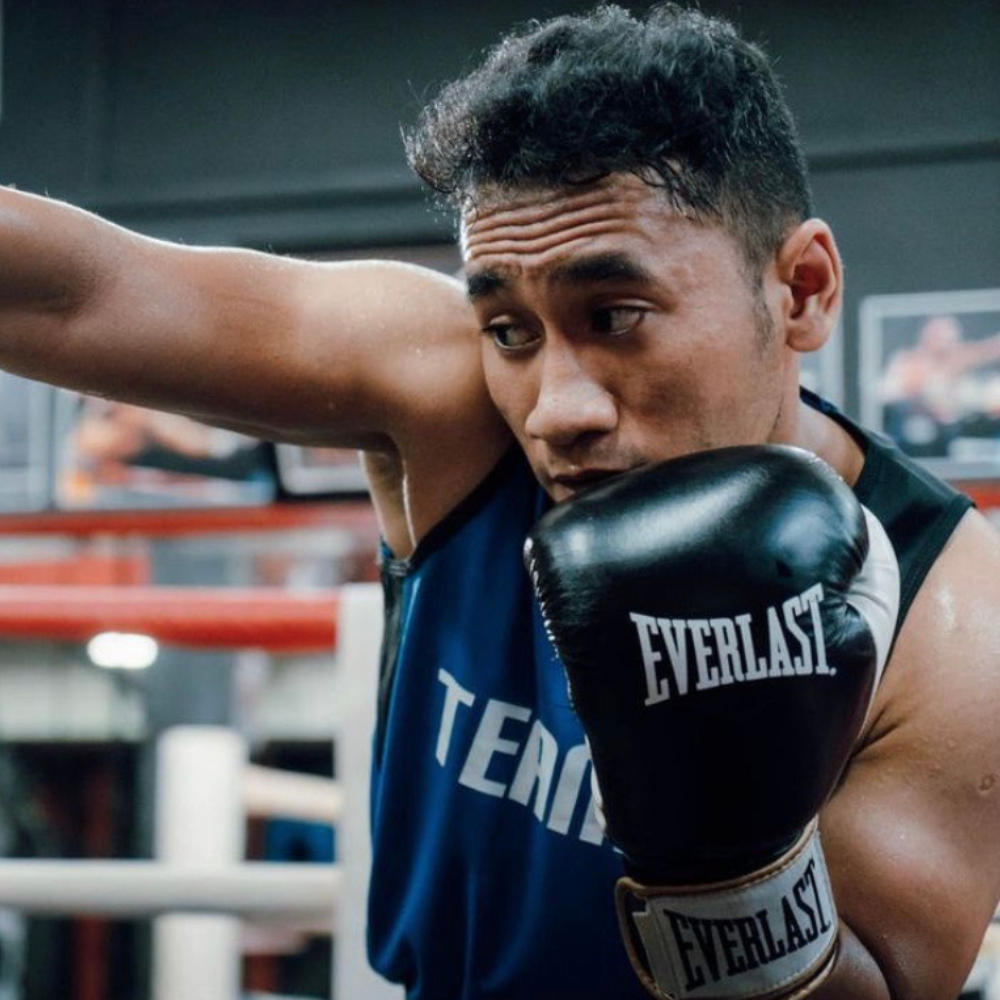
boxing fighter training close up shot

Which Is Better for Beginners?

For most beginners, the heavy bag is a better starting point.

Learning how to punch correctly, maintain balance, and move efficiently is the foundation of boxing. The heavy bag provides immediate feedback and allows new boxers to develop these essential skills safely.

The speed bag often requires more patience. Many beginners find it challenging because it relies heavily on rhythm and timing. However, once the fundamentals are in place, speed bag training becomes an excellent addition to any boxing program.


Why Boxing Gyms Use Both

Professional fighters, amateur boxers, and fitness enthusiasts all use both heavy bags and speed bags because they serve different training purposes.

A well-rounded boxing program typically includes:

  • Heavy bag work for power and conditioning
  • Speed bag drills for coordination and timing
  • Shadow boxing for technique development
  • Footwork drills for movement and agility
  • Strength and conditioning exercises for overall athletic performance

Together, these training methods create a more complete boxer.


Which Equipment Do You Need?

The answer depends on your goals.

If you’re focused on building power, improving fitness, and learning boxing fundamentals, the heavy bag should be your priority.

If you want to improve coordination, timing, and hand speed, adding speed bag training can provide significant benefits.

For most people, the ideal approach isn’t choosing one over the other—it’s learning how to use both effectively as part of a structured training program.


Final Thoughts

Heavy bags and speed bags are not competing pieces of equipment. They are complementary tools that help develop different aspects of boxing performance.

The heavy bag builds strength, endurance, and punching power, while the speed bag improves rhythm, timing, and coordination. Together, they create a balanced training experience that helps boxers of all levels continue improving.

Whether you’re stepping into a boxing gym for the first time or looking to take your skills to the next level, training with both can help you become a more complete athlete.


Ready to Experience Real Boxing Training?

At KOS Boxing Gym, our coaches use a combination of heavy bag training, speed bag drills, technical instruction, and conditioning exercises to help members achieve their goals. Whether that’s getting fitter, learning self-defense, or developing boxing skills.

Book a free trial class today here and discover how the right training can help you build strength, confidence, and fitness both inside and outside the gym.

Boxing Gear Checklist for Beginners: Train Safely & Effectively

Getting into boxing is exciting, but having the right gear can make a huge difference. Good boxing equipment keeps you safe, protects your body, and helps you train more effectively. Whether you’re training at home or joining a gym, this checklist will guide you through exactly what you need as a beginner.

If you’re looking for a supportive environment to start your journey, consider joining KOS Boxing Gym,  where beginners are always welcome, and our coaches are ready to help you train safely.


Essential Boxing Equipment


1. Boxing Gloves

This is the most important piece of boxing equipment you’ll buy.

As a beginner, aim for 12 to 16-ounce gloves. Women and lighter beginners usually feel comfortable with 14-16 oz, while bigger guys often prefer 16 oz for better padding and protection. You should also choose gloves from trusted brands like Everlast, Title, or Rival, or boxing gloves that are recommended by your coach. Look for strong wrist support and make sure they feel snug but comfortable when you try them on.


2. Hand Wraps

Never train without them.

Hand wraps protect your knuckles and stabilize your wrists during every session. Mexican-style wraps (around 180 inches long) are a popular choice, although quick wraps are a good option if you want something faster and easier to use. Take time to learn the proper wrapping technique; it is a simple habit that can save you from many injuries down the road.


3. Mouthguard

A good mouthguard is essential.

A basic boil-and-bite mouthguard works perfectly for beginners and is easy to fit at home. Wear it every time you spar or do any contact drills. As you advance, you can always upgrade to a custom-fitted one from your dentist.


4. Boxing Shoes

Regular running shoes are not ideal for boxing.

Boxing shoes provide better grip, ankle support, and freedom for quick footwork. If you’re on a tight budget in the beginning, flat-soled training shoes can work as a temporary substitute.


5. Headgear

Headgear is very useful once you start sparring.

Choose a model with thick padding around the face and the back of the head. It should feel secure without being too tight or restrictive.


6. Groin Protector

This is a must-have for male boxers.

Invest in a quality cup with a comfortable fit. It’s always better to be safe than sorry.


Helpful Training Gear


7. Jump Rope

A jump rope is one of the best investments for your training.

It improves your cardio, coordination, and footwork all at once. Start with a basic speed rope, and you’ll notice improvement quickly.


8. Training Clothes

Wear comfortable, breathable clothing such as moisture-wicking shirts and shorts. Women should choose a supportive sports bra, and high socks can help protect their shins.


Nice-to-Have Items

Once you’re fully committed to boxing, you can gradually expand your collection. Popular additions include a heavy bag with a stand, focus mitts for pad work, a double-end bag for timing practice, and shin guards if you explore kickboxing.


Tips for Buying and Caring for Your Boxing Equipment

Avoid the cheapest gear, as it often falls apart quickly, but you don’t need the most expensive equipment when you’re just starting. Focus on proper fit and decent quality. Leather gloves generally last much longer than synthetic ones.

After every session, let your gloves air out completely. Use glove deodorizers or baking soda to control odors, wash your hand wraps regularly, and store all your equipment in a cool, dry place. Replace your gloves when the padding begins to compress and lose its protective quality.


Final Thoughts

Starting with the right boxing equipment shows that you’re serious about training safely. Many beginners make the mistake of buying low-quality gloves and skipping hand wraps, which often leads to sore hands and wrists.

Begin with the essentials, which are quality gloves, hand wraps, and a mouthguard, then add more items as your training progresses. The right gear doesn’t just protect you; it also builds your confidence and makes every session more enjoyable.

Visit KOS Boxing Gym today and take the next step in your boxing journey. We can’t wait to see you in the ring!

A Boxer’s Guide to Recovery: Balancing Strength and Rest

The Holistic Approach to Recovery: Mental Resilience

Building mental resilience is crucial in boxing, where the mental game is as significant as the physical. Implementing strategies like meditation and positive self-talk are essential, but goal setting before training is a game-changer. Setting realistic, incremental goals like “Today, I will complete 50 pushups,” provides a clear target and enhances motivation. These techniques ensure you’re mentally prepared for the challenges ahead, fostering a resilient mindset that thrives under pressure.


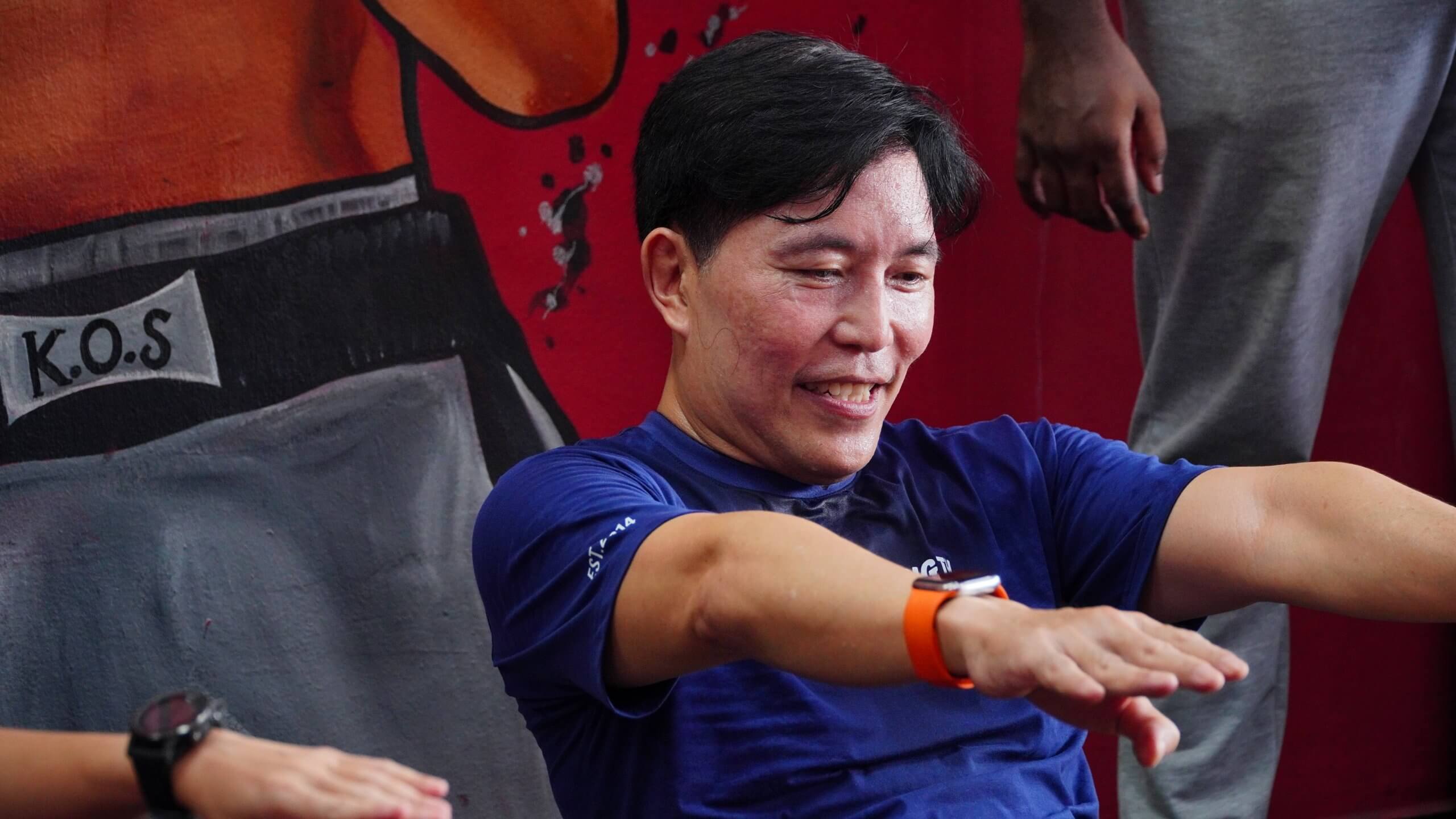
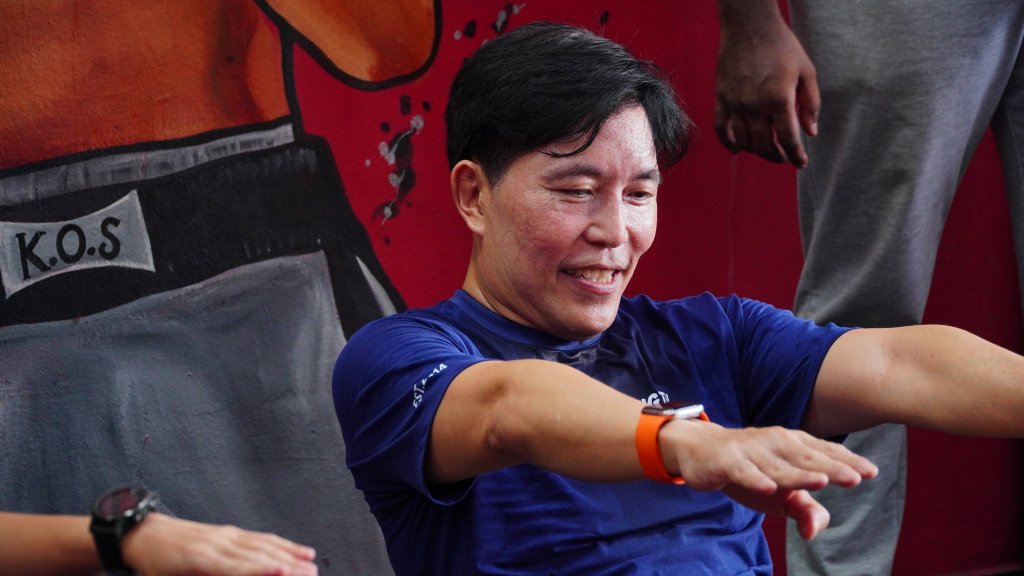
man smiling while performing sit ups at king of strength boxing gym.

Proper Nutrition To Fuel Your Recovery

“Proper nutrition is non-negotiable for peak performance,” said Coach Kumar, emphasizing the importance of a well-timed, balanced diet to fuel your body and aid in recovery. Before workouts, ensure you’re energized with a nutritious meal at least 2.5 hours prior. Post-workout, your body’s needs vary; intense sessions demand isotonic drinks to replenish electrolytes, whereas weight training benefits from high-protein meals or shakes for muscle repair. This tailored approach to nutrition and hydration keeps you at your fighting best. Remember, post-workout nutrition, including the right exercise recovery drink, is key to muscle repair.


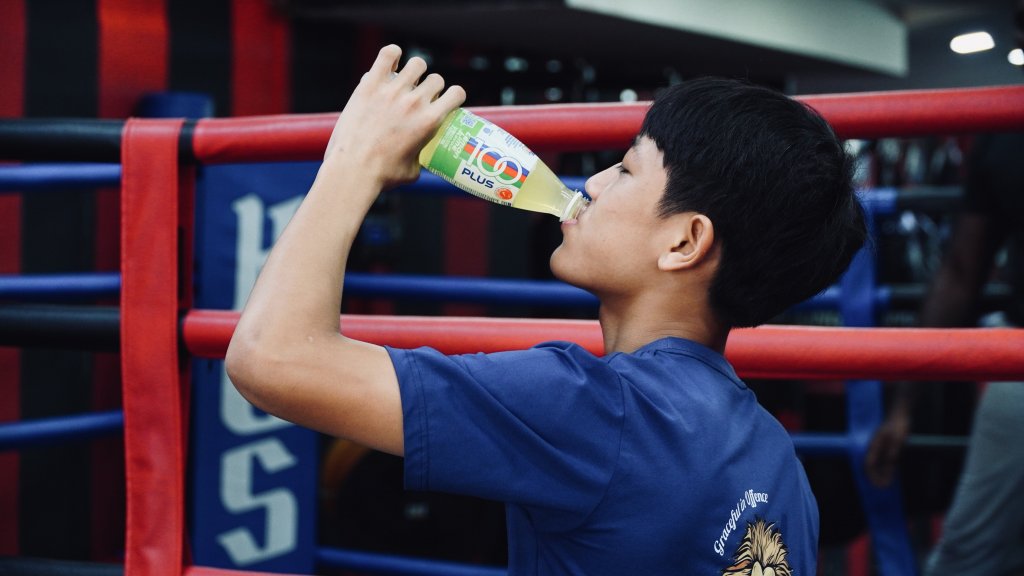
Young boxer drinking an isotonic drink to stay hydrated during training at King of Strength boxing gym.

The Power of Quality Sleep

Quality sleep is foundational for recovery. It’s the period when your body repairs muscles and your mind processes the day’s learning. Stick to a consistent sleep schedule, aiming for a set bedtime within a one-hour window nightly. Ensure your last meal is at least 3 hours before bed to allow proper digestion and avoid screens an hour before sleep to prevent stimulating your mind. Following these practices ensures you wake up refreshed and ready for the next round. Understanding why sleep is important and how it impacts exercise recovery can significantly improve performance.


Injury Prevention and Management: Staying in the Game

Injury prevention is integral to sustained progress in boxing. Planning your workouts with a focus on conditioning and listening to your body can significantly reduce the risk of injury. Key strategies include:

  • Workout Planning: Design your training sessions to accommodate vulnerable areas, ensuring muscles aren’t overworked. Incorporating rest days and varied intensity levels helps prevent burnout and injury. Understanding common boxing injuries, such as those to the hand, shoulder, and head, can guide you in avoiding them.
  • Proper Nutrition: Fuel your recovery with a diet rich in proteins and nutrients, essential for muscle repair and resilience. Pre and post-workout nutrition is critical in preventing injuries and aiding in faster recovery.
  • Professional Guidance: Especially for beginners, coaching on form and technique is invaluable. A seasoned eye can prevent common mistakes that lead to injury.

Should injuries occur, a balanced approach to recovery—combining rest, gradual rehabilitation, and professional advice—ensures a stronger comeback.

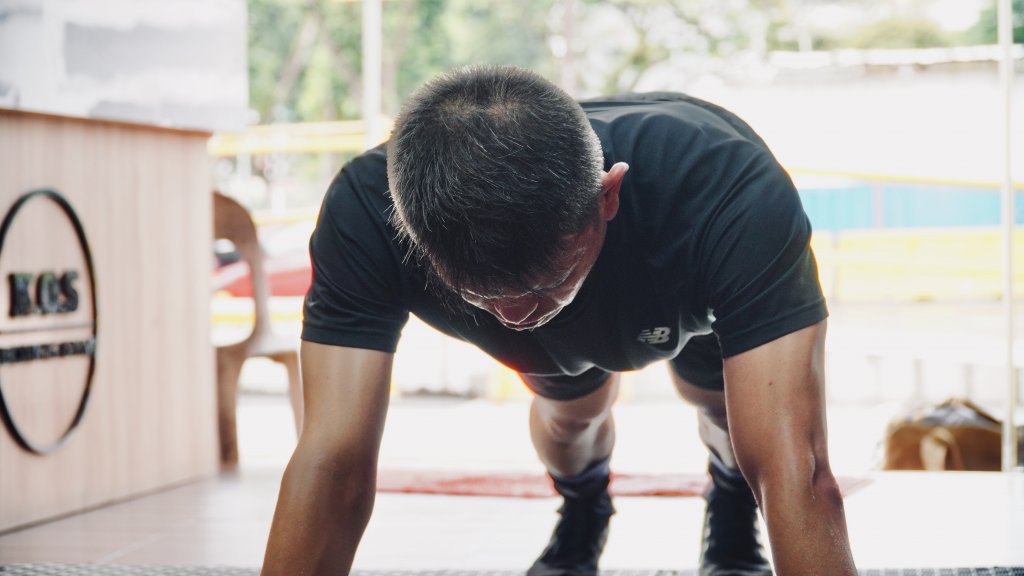
Man performing push-ups at boxing gym, with good posture and form emphasizing strength training and injury prevention.


Embracing Boxing as a Lifestyle

“Boxing is not just about the physical aspect, it truly shapes your body, hones your mind, and fortifies your spirit,” Coach Kumar remarks. He stresses that boxing teaches respect, perseverance, and humility—virtues that extend far beyond the gym. Learning how to box properly and understanding the muscles and the form used in boxing are crucial for your own fitness journey. This journey integrates boxing into your lifestyle, ensuring that every punch is not merely a physical act, but a step toward personal growth.


Crafting Your Recovery Path

Recovery is integral to your boxing journey, preparing you for the next fight and the challenges beyond. Every boxer’s recovery needs are unique. With insights from experienced coaches and the support of your gym community, you can tailor a recovery plan that aligns with your goals. Whether it’s refining your diet, optimizing your sleep habits, or recovering from an injury, the expertise of fellow coaches, and advice from fellow boxers will be invaluable.


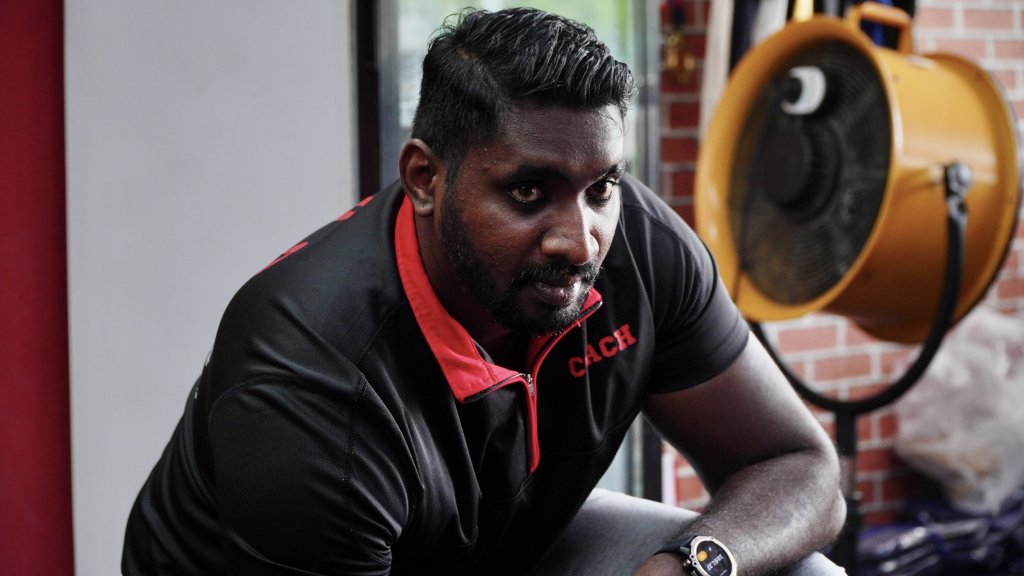
Boxing coach at King of Strength gym, monitor and guiding fellow boxing gym goers


Feel The Power of The Boxing Community

At King of Strength, the boxing gym is a community, a place where bonds are formed through shared sweat and ambition. This collective spirit supports your recovery journey, offering motivation, advice, and camaraderie. Embracing this community enriches your boxing experience, providing a network of support that champions every member’s growth. Grab your boxing gloves, step into recovery with confidence, and embrace every day as an opportunity to advance on your own boxing journey.


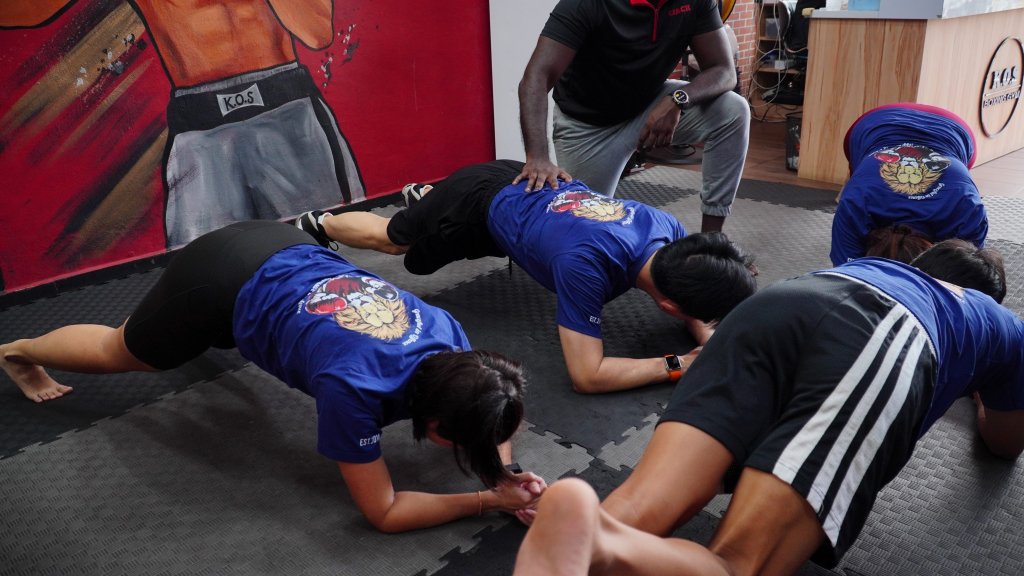
Group of people performing plank exercises under the supervision of a coach at King of Strength boxing gym.


Ready to experience the power of our King of Strength boxing community firsthand? Sign up for a free trial class today and discover how boxing can transform your body, mind, and spirit. Click here to book your free trial and start your journey with us!


Transforming from Trainees to Boxing Coaches: A Journey of Passion and Dedication

Ever wondered what goes on behind the scenes in your gym classes? If you’ve been a part of our fitness community, you’ve likely encountered Coach Jo and Coach Douglas, two essential members of our fight team who have seamlessly transitioned from trainees to trainers. We recently sat down with them for an insightful interview, and what we discovered might just surprise you. These trainers are more than just motivators; they’re the embodiment of dedication, discipline, and a genuine passion for boxing.


1. How did you start training at KOS?

Douglas: “In the past, when my mother would drive me home from school, we would usually drive past the gym so I knew that the gym was there. I kind of forgot about it until the gym’s videos kept popping up on my TikTok. I thought that it was a sign and decided to come for a trial. I really liked the trial so I decided to sign the package at KOS.”

Jo: “In 2014 before the gym was even established, my friend gave me a flyer while I was in RP. So I went for my first session at Admiralty Park. At this point, I have already met Coach Kumar in Secondary School but this was my first time seeing him as a coach. I initially started going for the training with my friend, who was one of KOS’ first competitive boxers. Coach Kumar told me that I had a lot of potential and asked me to come back. I eventually got hooked on the training and the rest is history.”


2. What was your experience here as a trainee like?

Douglas: “My first impression was that the coaches were very motivating. I slowly watched myself progress from someone with no boxing experience to a fight team member and now a trainer. It was a very good feeling. If it wasn’t for the people at KOS, I truly wouldn’t be where I am today.”

Jo: “I experienced a lot of ups and downs during my training. The gym was a place that truly centered me no matter where I felt like I was in life even if at times it got really lonely when I was training for competitions and at times dark. However, Coach Kumar was always there to remind me why I started and kept me going. For that, I will always be grateful.”


3. What made you fall in love with boxing?

Douglas: “Rocky made me fall in love with boxing. The training scenes always made me feel very motivated to improve myself as a boxer. The more I improved, the more love I had for the sport.”

Jo: “Boxing was the thing that if you wanted to hone a certain attribute when you put in the work, you will see the results. It transcended into life for me in the sense that if I wanted something I just had to work hard for it. Boxing always had a light at the end of the tunnel for me. It made me fall in love with it.”


4. What do your days usually look like?

Douglas & Jo: “We are usually at the gym by 11 a.m. We start off with a 5KM run and train at the gym focusing on our own drills. Then we shower, eat our lunch, and then we start with the classes.”


5. Then what do you do on your off days?

Douglas: “I usually use my off days to catch up with my friends and family. I also like to decompress by watching shows like Peaky Blinders and Friends.”

Jo: “I go to church on Sundays, and go on a walk alone to Sembawang beach to look at the sea. It gives me some time off from everything. Then I go back home and watch TV while having lunch with my mum.”


6. It is very different being a trainee and now helping to conduct classes. What made you decide to make the change?

Douglas: “My love for the sport. I saw how the coaches motivated me while I was a trainee and it made me want to inspire others to achieve their goals as well.”

Jo: “When I was a trainee training for competitions, it was a very self-centered and self-seeking journey as it was always about myself. I wanted to add value to other people’s lives and do something beyond myself. It also allowed me to give back to the sport.”


7. How has your experience as a trainer been?

Douglas: “It has been really good so far. I am happy with my progression especially when the trainees ask me for advice. Putting a smile on the trainee’s faces makes me very happy.”

Jo: “I truly feel like it is an honor when I get to teach people the fundamentals for the very first time because I get to be the first person to impart these skills to them and facilitate their first experience in boxing. It makes me feel very fulfilled and grateful for my position.”


8. What is your biggest pet peeve?

Douglas: “When people show no respect.”

Jo: “When people assume that they know me better than they actually do.”


9. Where do you hope to see your coaching journey in a year?

Douglas: “I want to be able to actually don the title as a coach and hope to be able to inspire more trainees while continuing to learn from the other coaches.”

Jo: “I think that I am the same as Douglas, I hope to be a full-fledged coach in the next year while helping the trainees find their passion in the sport.”


10. Lastly, what is one quote that you live by that you think may benefit our readers?

Douglas: “Your body will become what your mind believes.”

Jo: “A journey of a thousand miles begins with a first step.”

As you’ve learned about Coach Jo and Coach Douglas’ remarkable journey from trainees to trainers, it’s evident that our gym is not just a place to work out; it’s a community that thrives on passion, dedication, and personal growth. Whether you’re a seasoned athlete or just starting, you can be a part of this inspiring environment too. Join us for a class, and experience the same supportive atmosphere that has transformed trainees into exceptional trainers.

Curious to learn more about our class schedules and rates? Visit our Schedule + Rates page and take the first step towards your own fitness journey!


Unlock Your $500 Gold: Your Ultimate IPPT Success Blueprint

Weeks 5-12: Continue to increase the duration of exercise while increasing the number of sets done per workout!


INTERVAL TRAINING


Interval Training: Build Stamina and Boost Endurance
Embrace the challenge of interval training – a path to boosting your stamina and endurance over weeks.


Weeks 1-3: Run for 30 Seconds, then jog/ walk for 30 Seconds to build your stamina
Weeks 4-12: Continually increase the duration of the intervals to challenge yourself and increase your stamina


LONG RUNS


Aerobic Base Building Through Long Runs
Lace up and hit the road! These long runs are designed to enhance your aerobic base and beat your previous timings.


Weeks 1-12: Start slow to build your aerobic base. However, you should continuously try to beat your previous run’s timing. Build your muscle memory by going on a long run at least twice a week!

Tip: Don’t forget to consume more carbohydrates in the 2 days leading up to your test to load up on fuel for your body. 

You did it! You’ve reached the finish line of your IPPT journey, and that $500 incentive is within your grasp. We at King of Strength are truly proud of your dedication and hard work. Now, it’s time to take that next step and schedule your IPPT. Head over to our Schedule + Rates page to book your slot and get closer to cinching that gold.

Remember, your success is our success, and we can’t wait to hear about your incredible achievements. Share your results with us on Instagram @/kingofstrength, and don’t forget to join us in class to maintain your newfound strength and vitality. Keep up the fantastic work!


KOS Students in Strength and Conditioning Class
Our dedicated students thriving in the Strength and Conditioning class, putting in the hard work.

Let’s face it, the idea of an extra $500 sounds pretty appealing, doesn’t it? We get it – the IPPT may not be your favorite thing in the world, but trust us, that cash incentive can work wonders as motivation.

The path to acing your IPPT isn’t a walk in the park, but remember, nothing truly rewarding ever is. So, if you’re doubting yourself or unsure where to begin, relax, we’ve got your back! Before diving into your training program, it’s essential to gauge your starting point to steadily improve your reps and timing.

And when in doubt, lean on our friendly coaches for guidance. They’re here to help you tailor a workout plan that suits your fitness level and propels you toward your maximum capabilities. Curious? Keep reading to unlock the ultimate IPPT success blueprint and make that $500 your reality!


THE TRAINING PLAN

Always begin your workouts with stretches and warm-ups. A simple warm-up like the ones you do before every class at KOS is sufficient. This helps lessen the chances of injury.


3-Day Workout Plan: Push-Ups, Long Runs, and Core Training for IPPT
Get ready for a dynamic 3-day workout routine tailored for IPPT success – featuring push-ups, a 2.4 km run, and core training!


3 Days workout:

Day 1: Build muscle for push-ups (Functional King class)

Day 2: Long Run for 2.4

Day 3: Core workout for sit-ups (HardCore class) and interval Training

Day 4: Rest and Repeat

Don’t forget your rest days! They are just as important as your workouts. Letting your muscles rest and recover properly allows you to train at a higher intensity. 

Protip: plan your rest days before and after your long runs! 


CORE & PUSH-UPS

Similarly to our classes, the exercises should be done in a circuit.


Push-Ups and Core Exercise: From 30 Seconds to 1 Minute Sets
The gradual progression from 30-second sets to one-minute sets as part of your IPPT journey


Week 1: Start out with 3-5 sets of 30 Seconds per exercise. 

Weeks 2-4: Progressively increase the intensity of each exercise by increasing the duration from 30 Seconds to 1 Minute.

Weeks 5-12: Continue to increase the duration of exercise while increasing the number of sets done per workout!


INTERVAL TRAINING


Interval Training: Build Stamina and Boost Endurance
Embrace the challenge of interval training – a path to boosting your stamina and endurance over weeks.


Weeks 1-3: Run for 30 Seconds, then jog/ walk for 30 Seconds to build your stamina
Weeks 4-12: Continually increase the duration of the intervals to challenge yourself and increase your stamina


LONG RUNS


Aerobic Base Building Through Long Runs
Lace up and hit the road! These long runs are designed to enhance your aerobic base and beat your previous timings.


Weeks 1-12: Start slow to build your aerobic base. However, you should continuously try to beat your previous run’s timing. Build your muscle memory by going on a long run at least twice a week!

Tip: Don’t forget to consume more carbohydrates in the 2 days leading up to your test to load up on fuel for your body. 

You did it! You’ve reached the finish line of your IPPT journey, and that $500 incentive is within your grasp. We at King of Strength are truly proud of your dedication and hard work. Now, it’s time to take that next step and schedule your IPPT. Head over to our Schedule + Rates page to book your slot and get closer to cinching that gold.

Remember, your success is our success, and we can’t wait to hear about your incredible achievements. Share your results with us on Instagram @/kingofstrength, and don’t forget to join us in class to maintain your newfound strength and vitality. Keep up the fantastic work!


KOS Students in Strength and Conditioning Class
Our dedicated students thriving in the Strength and Conditioning class, putting in the hard work.

10 Questions with Coach Ravi!

Get to Know Coach Ravi: An Exclusive Interview and Insight into His Journey

Hello everyone!

In the world of boxing and fitness, every individual has a unique journey and story to tell. Today, we invite you to step into the world of Coach Ravi, who became a part of our close-knit family in January. If you’ve ever wondered about the motivations and inspirations that drive a coach’s journey, you’re in for a treat.

1) Why did you pick up Boxing?

“I started boxing because I wanted to learn a form of self-defense.”

2) Who is your Favourite Boxer?

“I don’t have a favourite boxer. But if I have to really pick one person, it would be Sugar Ray Leonard because of his incredible footwork, fast combinations & power.”

Sugar Ray Leonard triumphing in an exhilarating boxing match.
Boxing legend Sugar Ray Leonard showcases his unmatched skill and determination in a victorious bout.

3) What does KOS mean to you?

“KOS has always given me a lot ever since the day I joined them as a trainee. KOS will always be my happy place regardless of what the future may hold for me.”

4) What makes up a good boxer according to you?

“To be a good boxer you need to master your basic footwork, have fast hands, and have a good fitness level.

In my opinion, you need to have a STRONG HEART especially if you are planning to compete. You need to have the heart to fight and go forward, no matter how many times you get knocked down. That STRONG HEART is what will get you going when the going gets tough. ”


Coach Ravi, a proud representative of KOS, in the midst of an intense boxing match.
Coach Ravi proudly dons the KOS Jersey as he competes in a thrilling boxing match.

5) What keeps you going as a Coach each day?

“The trainees are the main reason I keep pushing myself to be a better Coach every day. Seeing them achieve their goals and get stronger day by day gives me a sense of happiness.”

6) Give a nickname for your coaching style.

“The Motivating Coach. I choose this because I always push my trainees to not only be better boxers in the ring but to also be a fighter in life. Also, to constantly push themselves and never give up no matter what life throws at them.”

7) A quote for our readers?

“Why stop with one? Haha. I always tell myself these 3 things:

  • “Be stronger than yesterday.”
  • “Sweat more in training so that you don’t bleed in combat.”
  • “Don’t go looking for war but if it comes to you, face it head-on.”.”.

8) What are the struggles you face as a Coach?

“Trainees not giving their best during training even though they can do it.”


Coach Ravi expertly deflects attacks from enthusiastic trainees during a punching practice session.
Coach Ravi demonstrates his coaching prowess by guiding and protecting his trainees in their punch training.


9) Someone you look up to?

“I look up to my father a lot because when I was young he taught me to face my problems no matter how big they were.”

10) Share a secret about yourself.

“I am camera shy. Tell me to get in the ring and fight someone, I will do it without hesitation or fear regardless of what the outcome might be.

But tell me to take a picture or a video, I actually get very nervous and become very cautious of my surroundings!”


Coach Ravi donning his KOS gym coach attire.
Coach Ravi looks the part in his KOS gym coach outfit, ready to inspire and train the next generation of boxers.


We hope Coach Ravi’s story has left you inspired and motivated. If you’re ready to take the next step in your own fitness journey, why not join us at the gym? Come experience the camaraderie, passion, and dedication that make our community special.

Check out our Schedule + Rates page for all the details, and let’s start working towards your goals together. Remember, we’re here to support you every step of the way. So, lace up your sneakers, and let’s get moving!

Signing off with a fist bump,
Lekha

Expert Tips from Dr Bryan Wang: Running an Injury-free Marathon

In the realm of sports, we often hear about the intense impacts and injuries that boxers endure, but what might surprise you is that even a seemingly straightforward activity like running isn’t immune to its fair share of potential risks and injuries, especially when it comes to long-distance endeavors like the challenging 42 km marathon. What’s even more intriguing is how many boxing enthusiasts are now crossing into the world of running to enhance their stamina and endurance. If you’re one of them, or simply a running enthusiast seeking to run injury-free, you’re in for a treat.

In this post, we’ve partnered with a respected orthopedic expert, Dr. Bryan Wang, founder of Beacon Orthopaedic Clinic, to bring you invaluable guidance and insights to keep you on the right track, quite literally, as you lace up for your marathon journey. So, let’s lace up and dive into the wisdom shared by a medical expert to make your running experience not only safer but also more enjoyable.


How to prepare for the long run

We had a chat with Dr. Bryan Wang, who is an experienced orthopaedic surgeon and an avid marathon runner himself. He aptly categorizes the journey into 3 logical phases – Before (pre-run), During the run, and After (Post run) phase. Each phase will have its own set of planning and precautions to be adhered to so as to keep the body in good shape.


1. Before the Run

Prepare for a distance that suits your body. Running a full marathon isn’t for everyone to start with. If you want to build up your endurance, it takes a lot of dedication and hard work to get your body in shape.

If you’re new to running, it’s best to start with leisurely walks and gradually progress to brisk walks before transitioning to running. The key is to increase your mileage by about 10-15% each week to build your body’s endurance and stamina over time. It can take a while to reach the 42 km level, but with consistent effort, it’s achievable.

It is necessary to have a training plan and commit to it if you want to complete a full marathon.

a group of marathon runners racing

2. During the Run

Before going for a run, it’s important to stretch and warm up properly. It’s crucial to make sure that every part of your body is warmed up and ready to go. For example not just calf muscles but also abdomen muscles, shoulder blades, etc. Just like a rubber band that snaps at its weakest spot even though other points can stretch and flex well.

Wear proper footwear. It should be something that fits your foot contours well and provides good padding for the impact that your foot would endure during the run.

During the run hydration every 2 km is recommended (that is how the water stations are also stationed)

Sports drinks or energy bars can be taken after an hour in the run… so that’s only needed after you have covered the halfway mark (20 km onwards), according to Dr. Wang.

After a while, it’s a lot of mind-over-matter that drives you towards the finishing line.


3. After the Run

Post run it’s good to replenish your muscle energy and fluids. Sports drinks, bananas, or a protein-rich meal would be ideal. It’s important to keep moving and walk a bit to enable a gradual cool down.

Organized marathon events may have a medical tent if one needs medical attention. Otherwise for the post-run sprains and strains the RICE technique (rest, ice, compression, and elevation) can provide quick relief. However, one must not delay seeking medical help if a knee joint or muscle condition is experienced.


Get Set and Go

The journey to conquering a 42 km marathon is often as much a test of your mind as it is of your body. While training hard is a key part of the equation, maintaining a healthy, injury-free body is equally vital. Dr. Bryan Wang’s expert guidance offers a valuable compass for runners seeking to meet both of these crucial goals. It’s not just about going the distance; it’s about doing it with a robust body and a determined mind.

Ready to take the next step? Explore our Schedule + Rates page to kickstart your path to success.

6 Reasons Exercise Is Good For Your Mental Health

How important is your mental well-being to you?

In today’s busy world, we often forget about our mental well-being. Just like we care for our physical health, our mental health deserves attention, too. Life’s ups and downs can sometimes throw us off balance, but there’s a simple solution: exercise. We’ll show you why it matters and share practical insights from our members. Join us on this journey to better mental health through exercise

mental health wellness


Sharper memory and thinking

Exercise can boost our memory and thinking by improving sleep and mood and reducing stress and anxiety. Problems in these areas frequently cause or contribute to cognitive impairment.


Higher self-esteem

Regular exercise positively influences our self-esteem and how we view ourselves. It can also enhance our mood.


Better sleep

Exercise improves sleep quality. It increases the overall amount of time you spend asleep and the amount of time you spend in slow-wave sleep, aka deep sleep. Slow-wave sleep is the most restorative stage of sleep.


Help with depression and anxiety

Mood-enhancing chemicals called endorphins are released into your bloodstream during and after being active. These are the body’s natural painkillers and are responsible for the ‘feel good’ factor. They also help to relax muscles and relieve tension in the body. Also, when you’re exercising, your mind focuses on achieving the goals you set out for the workout and not the negative thoughts that are usually lingering.


Connecting with people

When you join a group class, doing team activities can help you meet new and like-minded people. It is a great avenue to make new friends.


Introduce a feeling of personal achievement

Goal setting is a great way to improve your mental agility by providing a sense of achievement after having accomplished a goal.


Some comments made by our trainees:

  • “The gym is my happy place”
  • “Boxing helps relieve my stress”
  • “I am able to express my frustrations through boxing”
  • “The only time my mind is free is when I come to the gym”
  • “Boxing is my coping mechanism”
  • “Good outlet for mental health”
  • “Boxing has helped me so much in terms of confidence and mental health”

Illustration of a person on the floor looking sad with a helping hand reaching down.
Sometimes, all it takes is a helping hand to lift you up.


Before we wrap up, we’d like to share some inspiring stories from our community. Two of our KOS members, Vishnu and Priscilla, have embarked on their own journey to support mental well-being. Vishnu’s Trident Therapy and Priscilla’s Range Counselling Services are here to lend a helping hand. Don’t hesitate to contact them if you’re seeking guidance because, as we’ve emphasized throughout this article, your mental health is a priority.


Vishnu
Company Name: Trident Therapy
Website: https://tridenttherapy.com
https://tridenttherapy.com/is-therapy-for-me/
Priscilla
Company Name: Range Counselling Services
Website: https://rangecounsellingservices.com
Email: hello@rangecounsellingservices.com

For more information on our rates and how you can join our community, visit our Schedule + Rates page. Together, let’s prioritize our well-being and support one another.

Signing off with a fist bump

Three ways to improve your Boxing Speed

Unleash Your Boxing Speed

Curious about how to amp up your boxing speed? You’re not alone. Coach Krishna here, and I’ve got three killer methods that’ll have you punching like lightning. Say goodbye to sluggish jabs and hello to lightning-fast strikes. Let’s dive in and supercharge your boxing game!

Here are three easy ways:

1. Proper Technique

2. Think about going fast

3. Exercise


PROPER TECHNIQUES

Boxing Routine Progression: Step-by-Step Visual Guide to Enhance Your Speed and Technique.

More than having high power or many knock-outs (KOs), you need to execute proper techniques. If your techniques are not proper, it is going to slow the whole process. Common mistake is to pull back and load your punch before releasing it. To work on this, release all punches that will be thrown from your chin with elbows tucked close to your body. This way, speed on the punches will improve.


THINK ABOUT SPEED

Mental Focus for Speed: Visualize Going Fast.

Keep telling yourself you want to go fast, punch fast, hit fast, without compromising your techniques. IT STILL COMES DOWN TO THE FIRST POINT. There is no point in throwing fast punches if you are going to be sloppy. Think of it like training with weights. When you train with weights daily, you’ll improve your strength. And with time, you will be able to lift heavier weights.
So, constantly think about speed when you do your training. Be it shadowing, pad work, bags, buddy-drills or even sparring!!! It is about being conscious on what you do and intensively working on it.


EXERCISE


• Weighted Punches

Enhance Speed with Weighted Punches: Illustration.

One way to increase your speed, is to pick up a light weight to add resistance to your punches. It can be around 1 to 3kg, depending on your fitness level. The idea is to throw punches with weights in each hand, increasing the difficulty and stimulating the muscles involved. Weighted punches are a great way to improve speed and you’ll definitely start to see improvements.
Try the various punches (jabs, straights, hooks, and uppercuts) with speed and power with every rep. Complete a couple of rounds, drop the weights and shadowbox as per usual.


• Speed Bag Drills

Mastering Speed Bag Drills: Illustrated Guide.

Speed bag is another way to work your hands and improve speed. It might take some practice, but once you get the hang of it, trust me you’ll be addicted. After getting the rhythm and pace, try to punch the speed bag as fast as you can. These drills improve your hand-eye coordination, momentum, timing and punch accuracy. It is honestly one of the best ways to improve your speed.


• Jump Ropes

Boost Speed with Jump Rope: Illustrated Workout.

Jumping rope helps to develop the muscle group for fast punches, particularly the fast-twitch muscle fiber in your upper back and shoulders. Try gradually increasing the speed when you jump. It is important because it trains all the necessary muscles to work faster than normal. To gain speed, you have to think of speed. Jumping rope also improves overall endurance. It is a skill that requires practice, so don’t get discouraged if you do not get the hang of it right away. With constant practice you will be able to improve your speed and develop this skill.


These are the ways which helped me and I hope it helps you too. Master lightning speed and impeccable technique. Embrace proper form, mental agility, and strategic exercises to boost your boxing finesse. Ready to enhance your skills? Join us now – check our Schedule and Rates

Signing off with a fist bump,

Coach Krishna (:

Heightened Alert FAQs

KOS Gym Updates: Reopening, Classes, Membership, and More!

Welcome back to KOS Gym, where your fitness journey continues! We’re thrilled to announce that our doors are wide open, and our weights are waiting. Read more to know about the important updates!

Q: Is the gym currently open?

A: Yes, we reopened our gym on 12 AUGUST 2021.

Q: What are the operating hours?

A: You may refer to our class schedule below. If you are not fully vaccinated, please check our website for the “Not Vaccinated” class timings.
*subjected to changes*

Group Training Schedule
Plan your fitness journey with our Group Training Schedule.

Q: Are there classes for those Not Fully Vaccinated/Not Vaccinated (NFV)?

A: Yes, we are offering classes (1 TB and 1 S&C) for those NFV.

You may refer to our website for the “Not Vaccinated” class schedule. *subjected to changes*

Q: Do we need to wear masks during training?

A: If you are Fully Vaccinated (FV) (more than 2 weeks since your second dose), you will not need to wear your mask during training.

If you are NFV, you will be required to wear your masks throughout your session.

Q: Will our membership packages be extended?

A: Yes, we have extended all packages accordingly from when our gym reopened.

Q: What are the packages available?

A: We have several packages for Group Training. Check them out below!

Group Training Package Prices
Affordable options for group training that fit your budget!

Q: Is there a free trial session?

A: Yes, there is a free session for our group classes. You may book a free trial session via our website.

Please take note that there is no free trial for Personal Training.

Q: Do you still have Personal Training sessions?

A: Yes, we do! If you are interested, you may either email us at info@kosboxingym.sg or DM us with your contact details, the goals you would like to achieve, and your availability.

Q: How much are your PT sessions?

A: We have several packages for Personal Training. Check them out below!


Personal Training Rates
Invest in personalized fitness with our competitive Personal Training rates.


Q: Any team bonding sessions for all KOS members?

A: Once the COVID measures are relaxed, we will plan bonding sessions for our members.

Q: Will KOS be opening another outlet in the future?

A: Yes! We have plans to expand in the coming future!

Q: Do you have any package for NSF?

A: Yes, we do. It is $297 for 3 months, unlimited sessions*. You just need to show your 11B at the counter.


Singapore Armed Forces Identity Card (11B)
Attention NSF members! Show your 11B and unlock exclusive deals.


Q: What are the different types of classes you provide at KOS?

A: We provide Technical Boxing – which teaches the techniques of pure boxing and Strength and conditioning – which focuses on improving stamina and helps with weight loss and toning of the body.

Q: Do you provide towels?

A: We used to provide towels for our trainees. However, due to the current Covid situation, we will not be distributing them till further notice.

Q: Do you provide gloves?

A: We provide gloves for your free trial. For subsequent classes, you will need your own gloves and hand wraps. If you do not bring your gloves, you may rent them with us at $5.

Q: How much are your hand wraps and gloves?

A: Hand wraps are $20, Gloves are $70.

Q: Are your KOS t-shirts still available?

A: Yes, they are. We are currently having a promotion, grab them at our counter soon as stocks are limited!

KOS T-Shirts and Promotion
Grab our stylish KOS T-shirts at a special promotion. Limited stock available!


Q: What is the difference between the beginner and king package?

A: Our beginner package is session-based whereas you are entitled to unlimited sessions* with our king package.

Your well-being matters to us, and we’re here to support your fitness journey every step of the way. If you’re ready to take the next step, head over to our Schedule + Rates page for all the details. Your fitness journey begins here!

*due to the current COVID situation, there is a limitation on the number of trainees per class. So we put a cap of 4 classes per week till the restrictions are relaxed.

Signing off with a fist bump,
Lekha